Last Meal Cafe exhibition
Exhibition · 2018
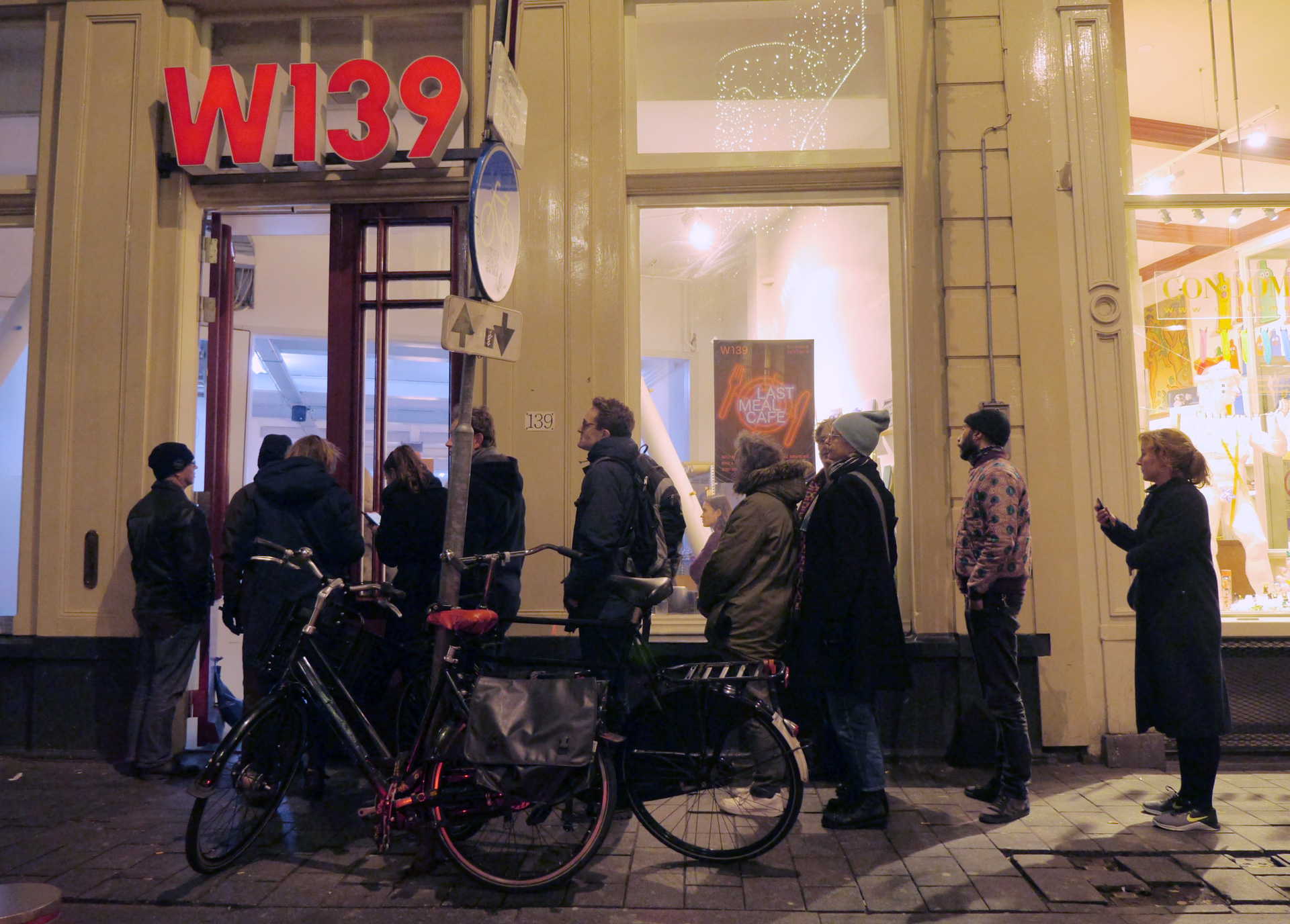
Venue: W139, Amsterdam
Initiators: Taisiya Krugovykh, Vasily Bogatov
Artists:
Vasily Bogatov (Russia)
Ali Feruz (Uzbekistan)
Barbad Golshiri (Iran)
Maria Vilkovisky (Kazakhstan)
Ruthie Jenrbekova (Kazakhstan)
Taisiya Krugovykh (Russia)
Evgeny Mitta (Russia)
Manuel Ronda (Italy)
Sergey Shabohin (Belarus)
Irakli Skhirtladze (Georgia)
Daniel Watt (UK)
Exhibition concept
Last Meal Cafe is an exhibition about the political use of poison — poisoning as a method of power.
Poisoning is closely associated with food, so the exhibition takes the form of a cafe: a poisoning cafe. Each artist has a table, and each table is connected to a particular case of political poisoning.
Poisoning appears here on different levels: from the physical elimination of a political opponent to the intellectual and moral poisoning of society through ideology, propaganda, corruption, and other forms of manipulation. The cases represented in the exhibition therefore include not only actual political assassinations, but also metaphorical, poetic, and inherited forms of poisoning. Each case is connected to the artist's country of origin.
The tables are created by artists living with a constant sense of inhabiting a poisoned environment — an environment that seeps through the skin and enters the body.
The murder itself is not the point. Killing by poison is more complicated than killing someone with a crowbar in a dark alley. There is a particular poetics to this form of murder.
The poisoner remains anonymous. He leaves no signature because he believes himself to be the only one.
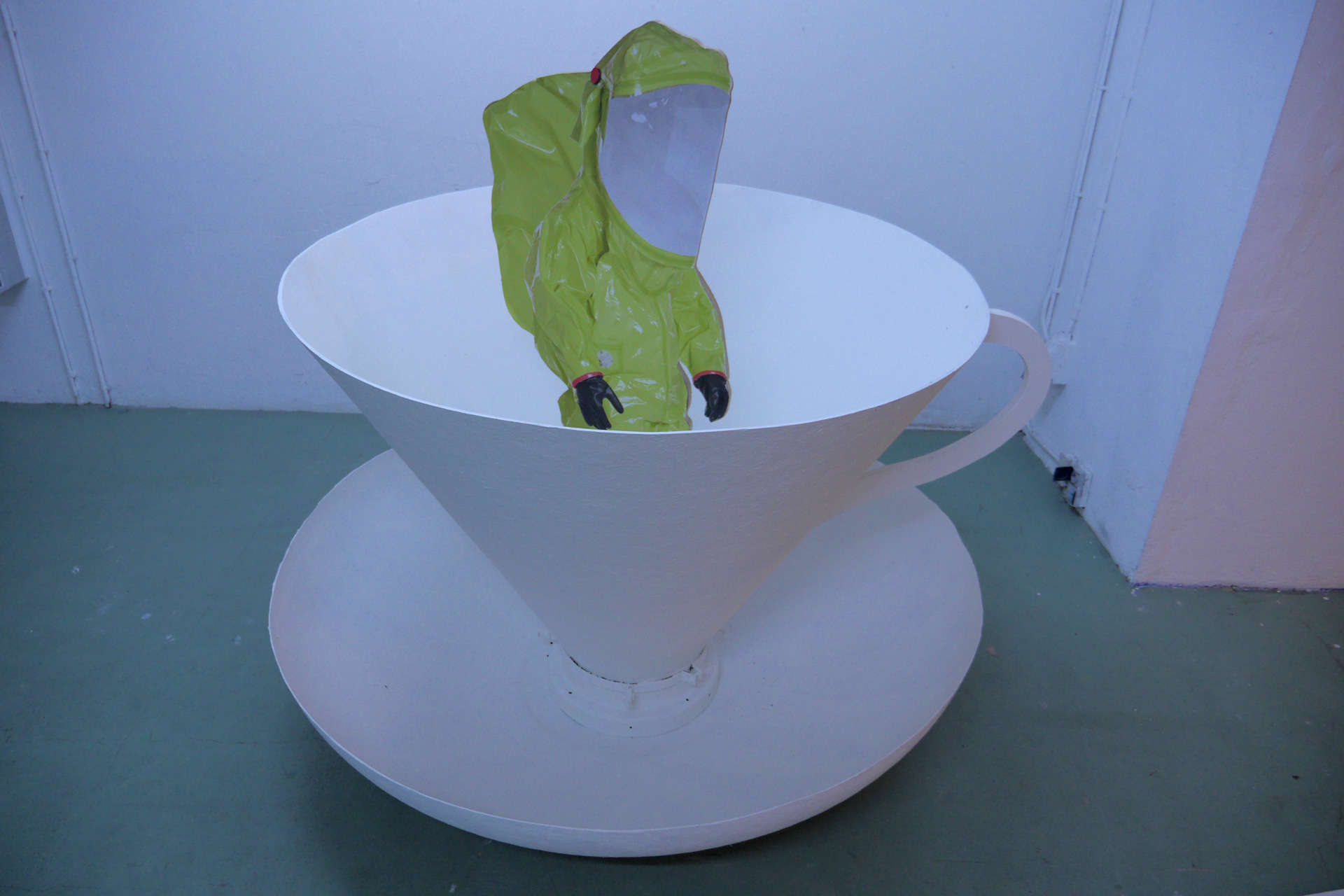
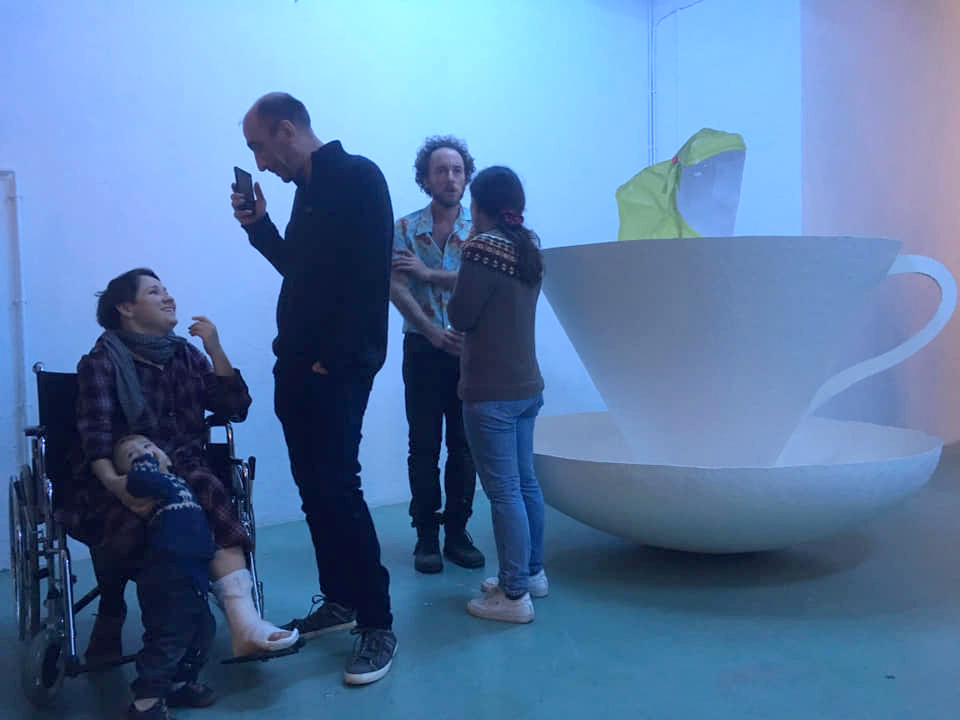
GREEN TEA
Biohazard
The history of poisoning has always been associated with a certain grace. At least up until now. Poisoning today is a dish devoid of art and cooked from scratch.
Alexander Litvinenko was poisoned in this way. He was a former FSB employee. He criticized not only the policies of the Russian authorities, but also Putin himself. He was killed in 2006 in London by Andrei Lugov, who is currently a member of Russia’s parliament, and the businessman Dmitry Kovtun. Alexander met with his soon-to-be killers at a hotel and drank tea laced with polonium by the aforementioned.
Sergei Skripal is a former employee of the GRU. 11 years after the murder of Litvienko, Sergei Skripal and his daughter, Yulia, were poisoned in the same country with a nerve agent. The perpetrators were the GRU Colonel Anatoly Chepiga, previously awarded the medal ‘Hero of Russia’, and the GRU Doctor Alexander Mishkin.
In fact, by turning a human being into an area of disaster – authority trades maps for territories.
The subject is turned into an object.
Baudrillard is dead.
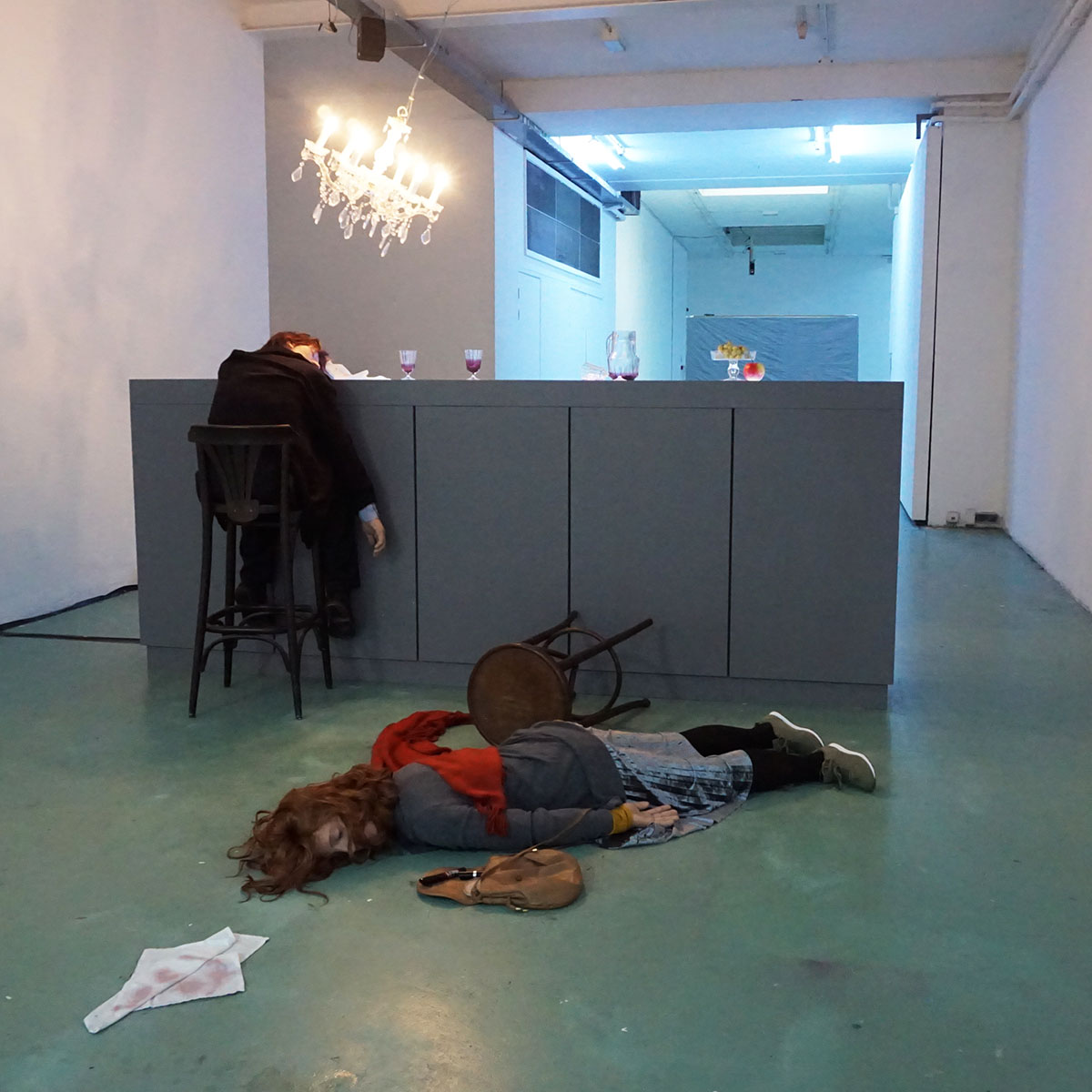
MULLED WINE
Dry red wine, cinnamon, cloves, cardamom, cane sugar, umbrella family, orange & lemon peel, vanilla
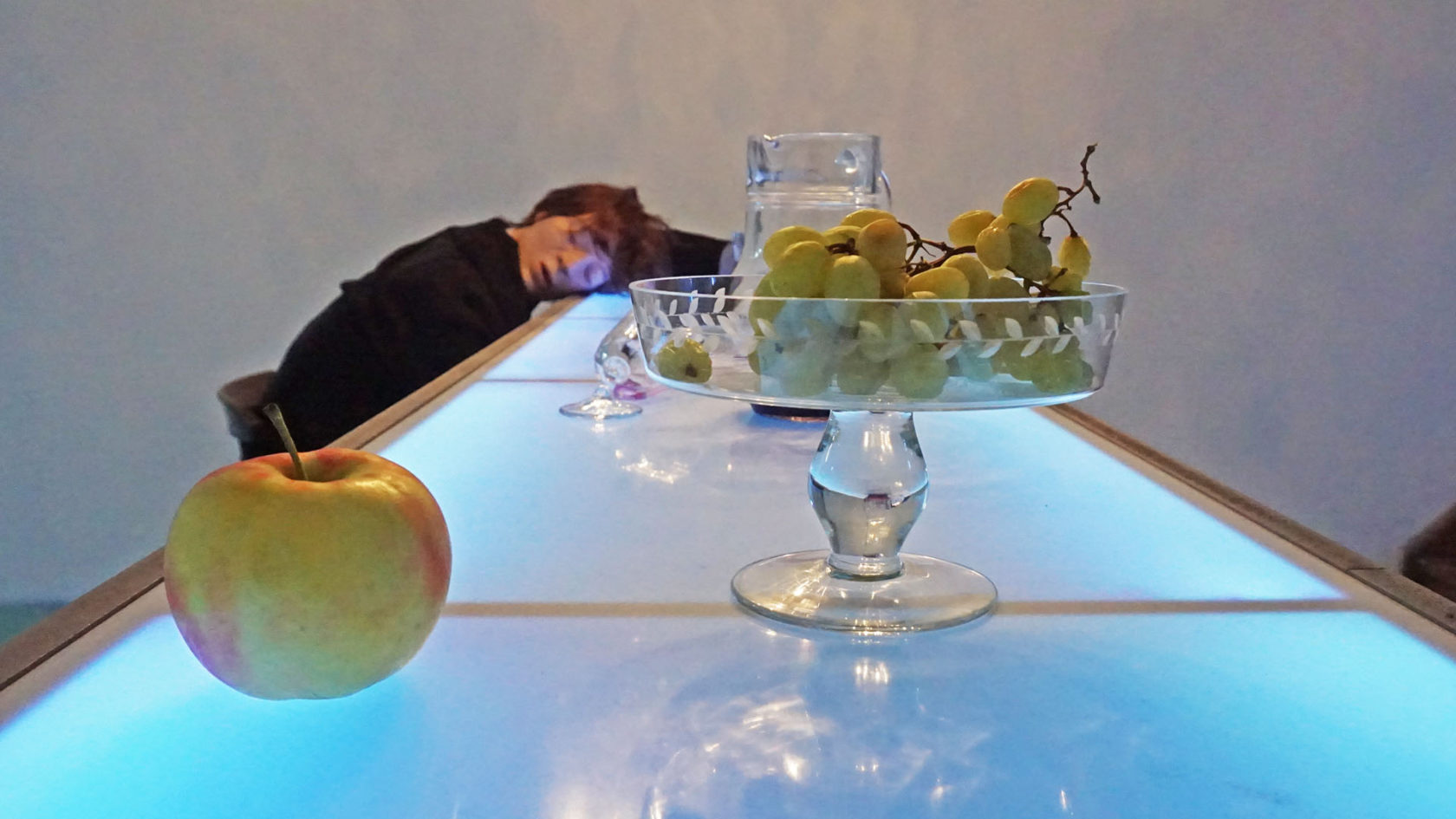
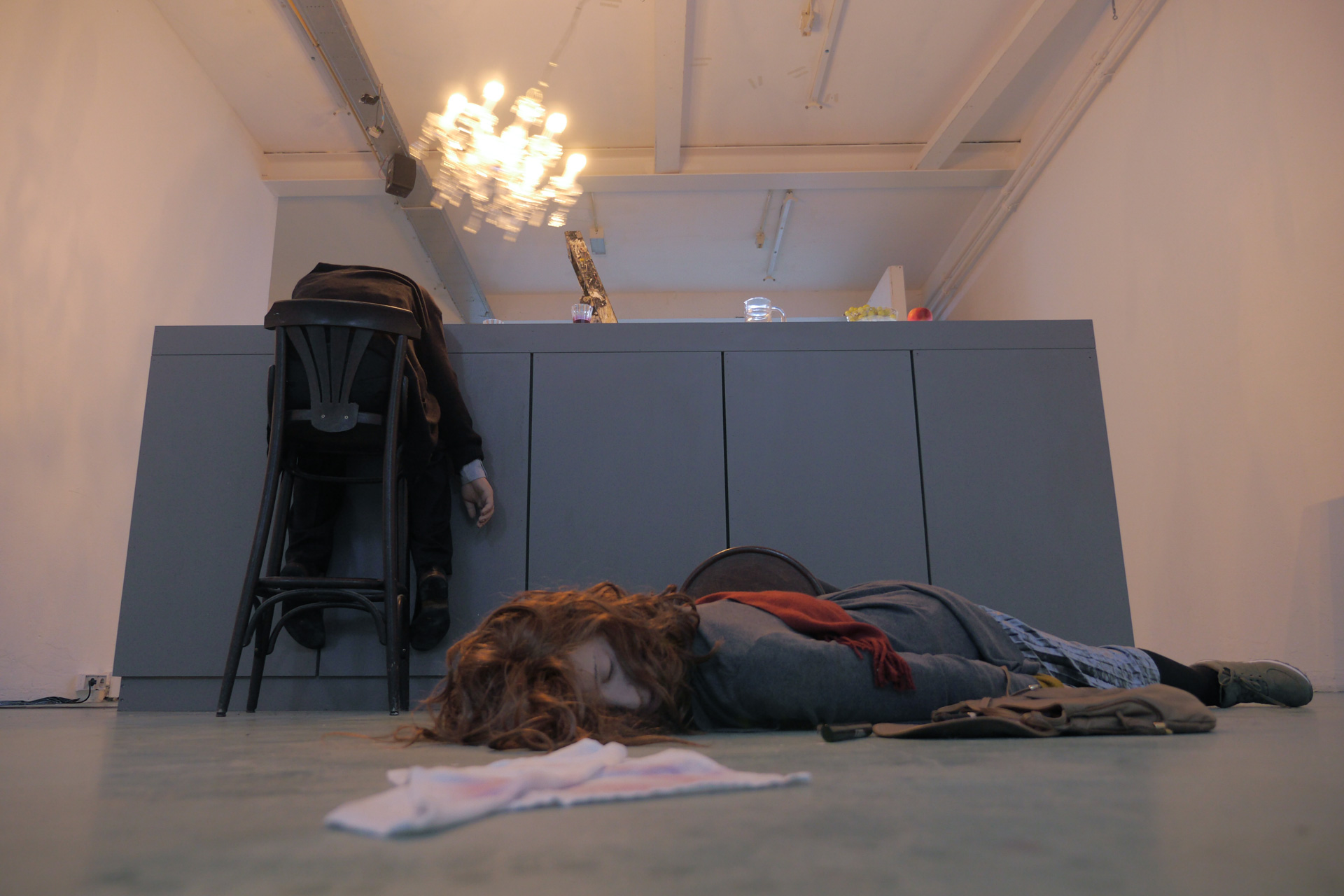
Dear viewers, you are invited to find out what happened in the cafe. Who was poisoned with what and by whom?
One body is that of a 32-year-old woman, Lidiya, a self-employed artist, poet and author of the poem “The Flaming Vagina”, which is popular amongst the intelligentsia. The other body is that of a man, 35-year-old Dmitri, an investigative journalist of great talent and incredible courage, and without whom we wouldn’t have such an in-depth understanding of the nature of the current Kremlin regime. The third body is also that of a man: Boris, 47, a sports doctor and possibly Lidiya’s lover.
These three entered the cafe, asked for a VIP room and told the waiter not to disturb them for an hour. They ordered a carafe of mulled wine and snacks. Whilst they were busy making their order, food was being delivered by truck to the restaurant, the noise of which drowned out the screams and sounds from the VIP room.
The team of doctors who arrived at the scene diagnosed the three as comatose due to acute poisoning. The investigation stalled as there was no evidence that the mulled wine or food had been tampered with.
What “really” happened from half past eleven until half past twelve remains forever “behind the scenes”, an empty page somewhere between the first and second part of the novel. An invisible storyteller watches everything.
SOUP WITH BREAD
Spicy and cold
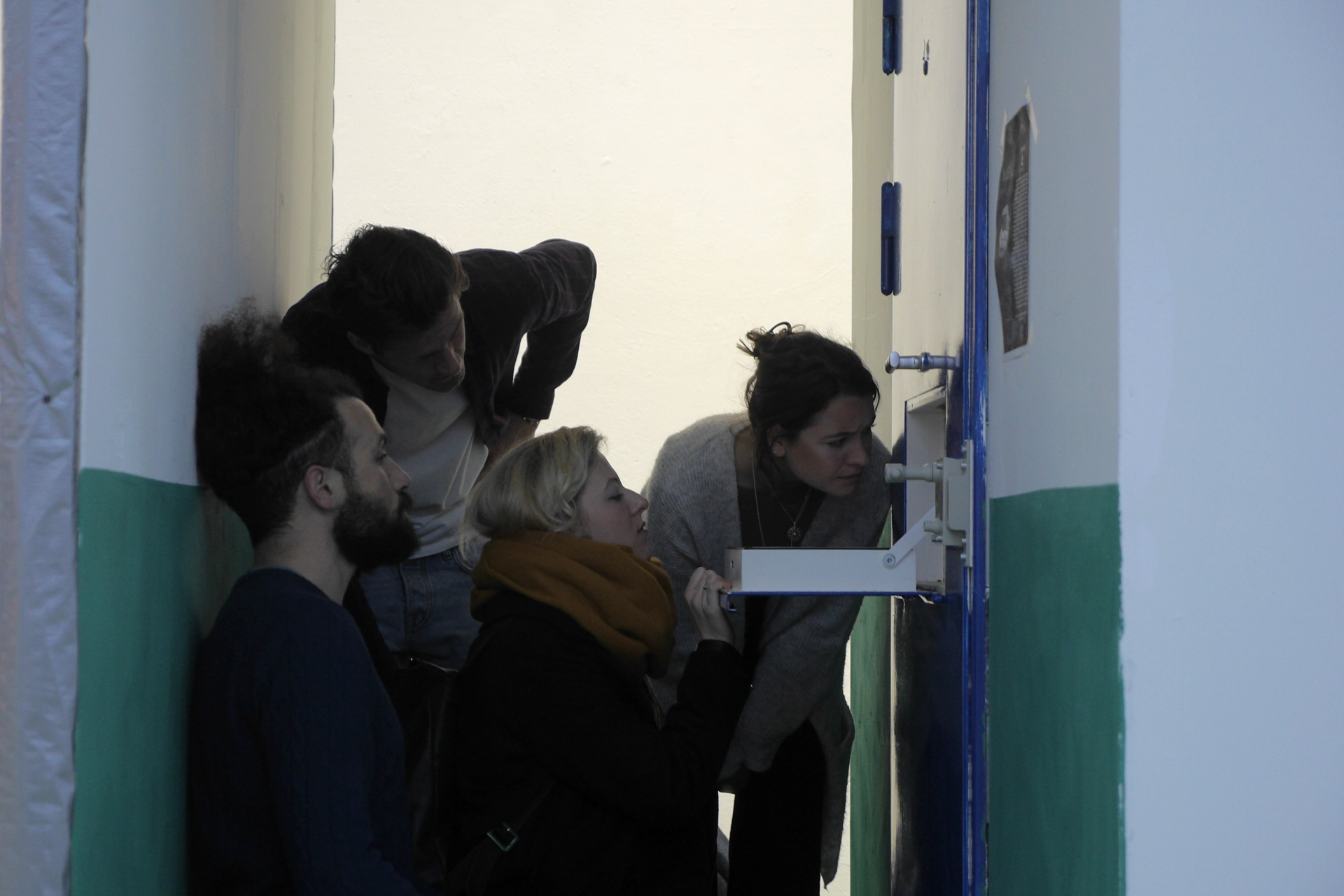
Ali Feruz is a Russia-based journalist writing for Novaya Gazeta. He left Uzbekistan after being tortured and ended up in a detention centre for foreigners in Moscow. He was promptly deported.
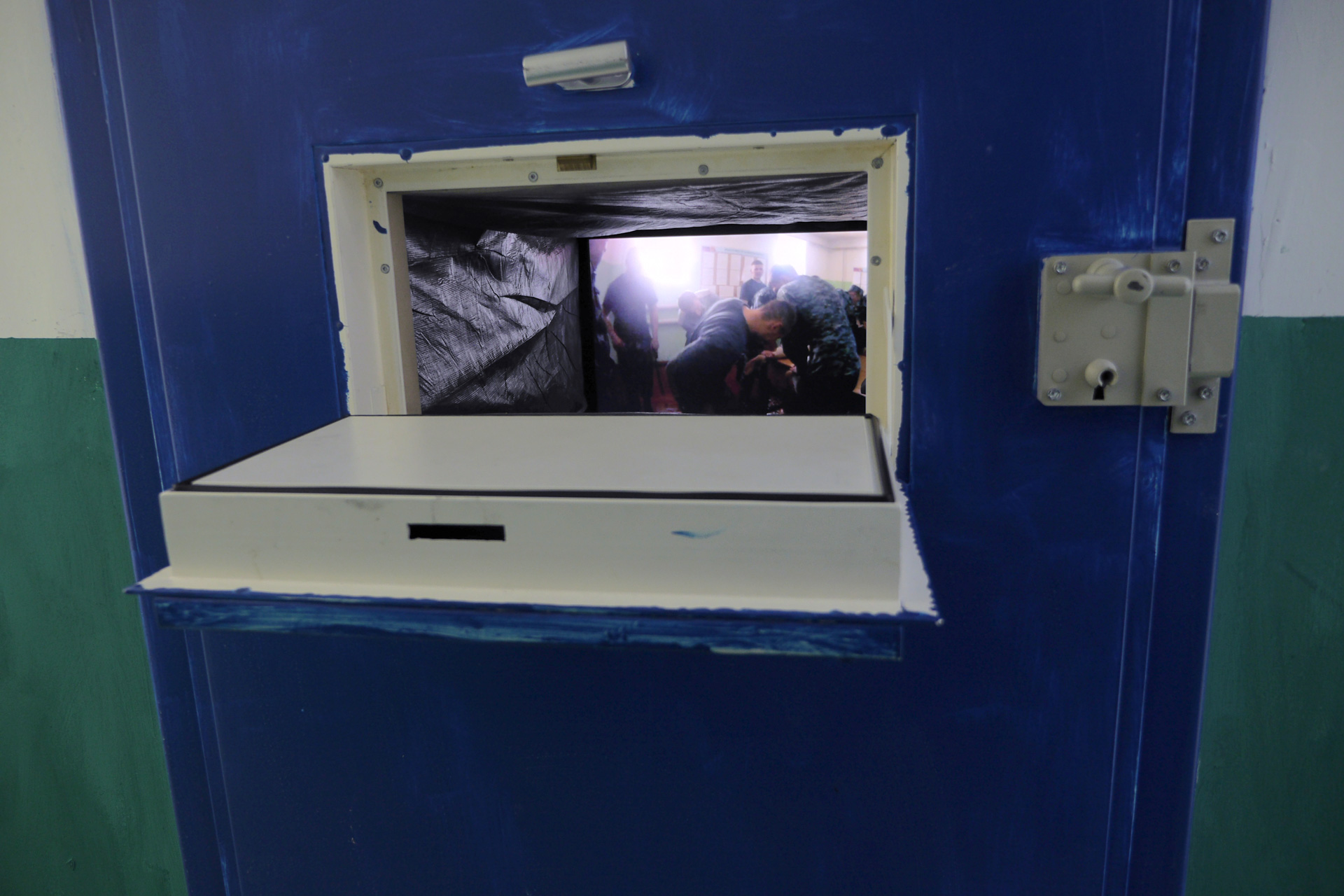
The detention centre is a place where foreigners await their deportation. It doesn’t look like a camp or a dormitory — it’s a prison, with metal doors and metal bars on its windows. There are two-person and four-person cells under constant video surveillance. Guards are everywhere. You can’t leave your cell without being accompanied.
Here’s the daily schedule: 6 am — wake up 7 am — the food hatch opens and soup is passed through it 9 am — roll call 11 am — a 40-minute to one-hour walk 12 pm — soup 5 pm — soup 10 pm — lights out
The soup contains vegetables, noodles and a lot of water, seasoned only with salt and hot pepper. It is served cold. The first spoonful is really hard to swallow. Hard, cold, uncooked pieces of vegetables get stuck in the throat and induce nausea before the pepper burns the gullet. You’d rather die than finish it. After a few days you get used to it. Sometimes you ask for more and regret it immediately, but you keep eating.
Right now in a Moscow prison, someone is getting their first portion.
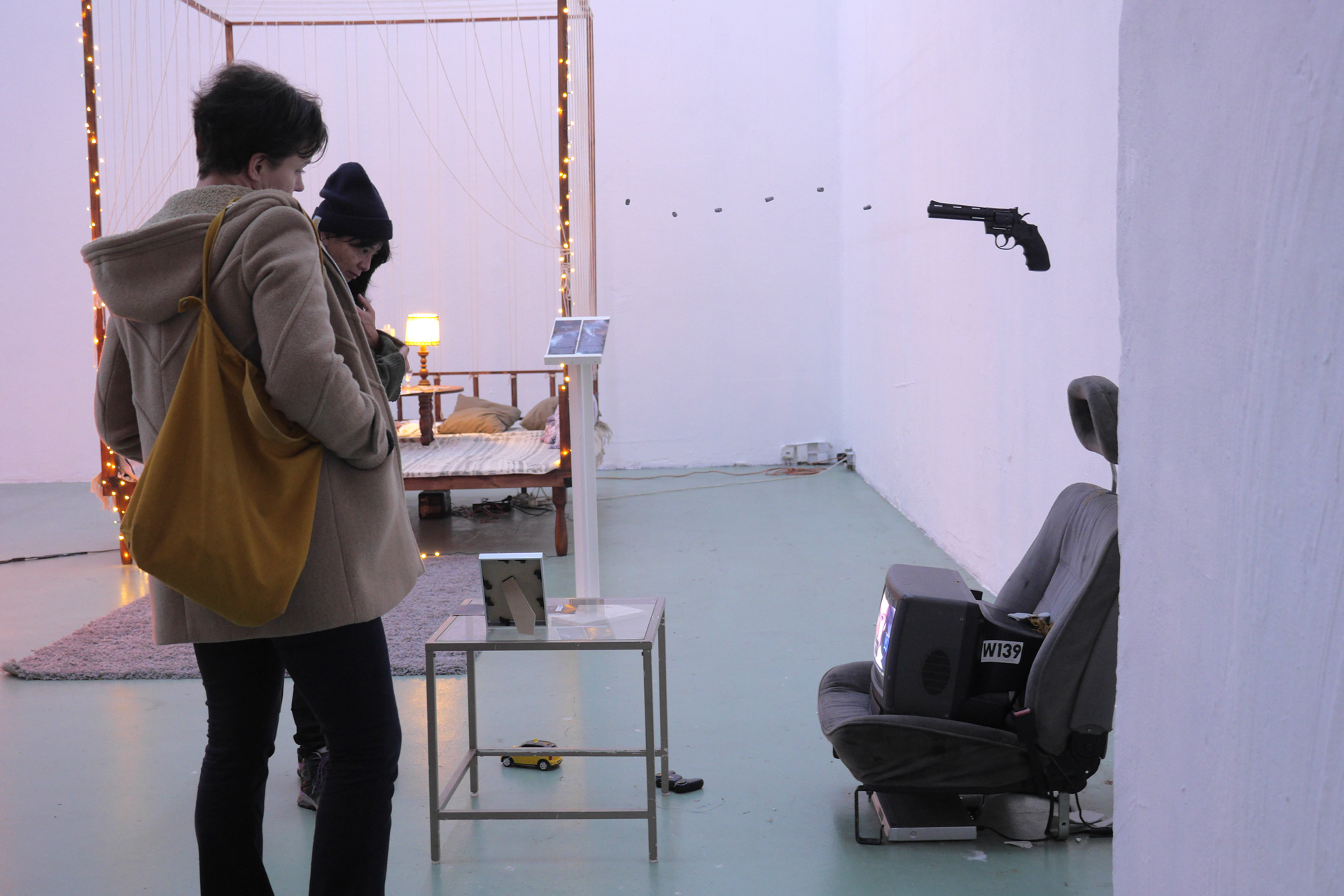
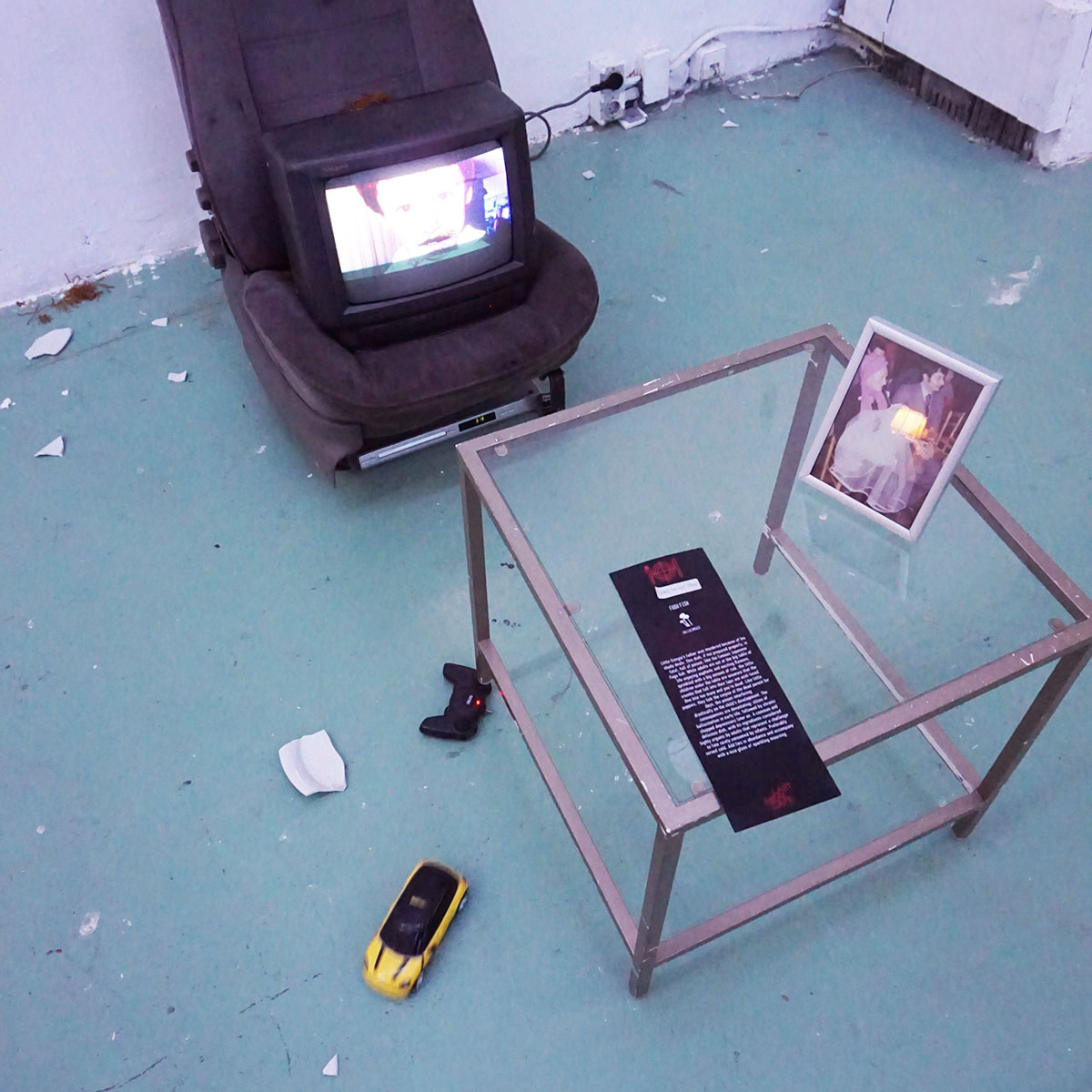
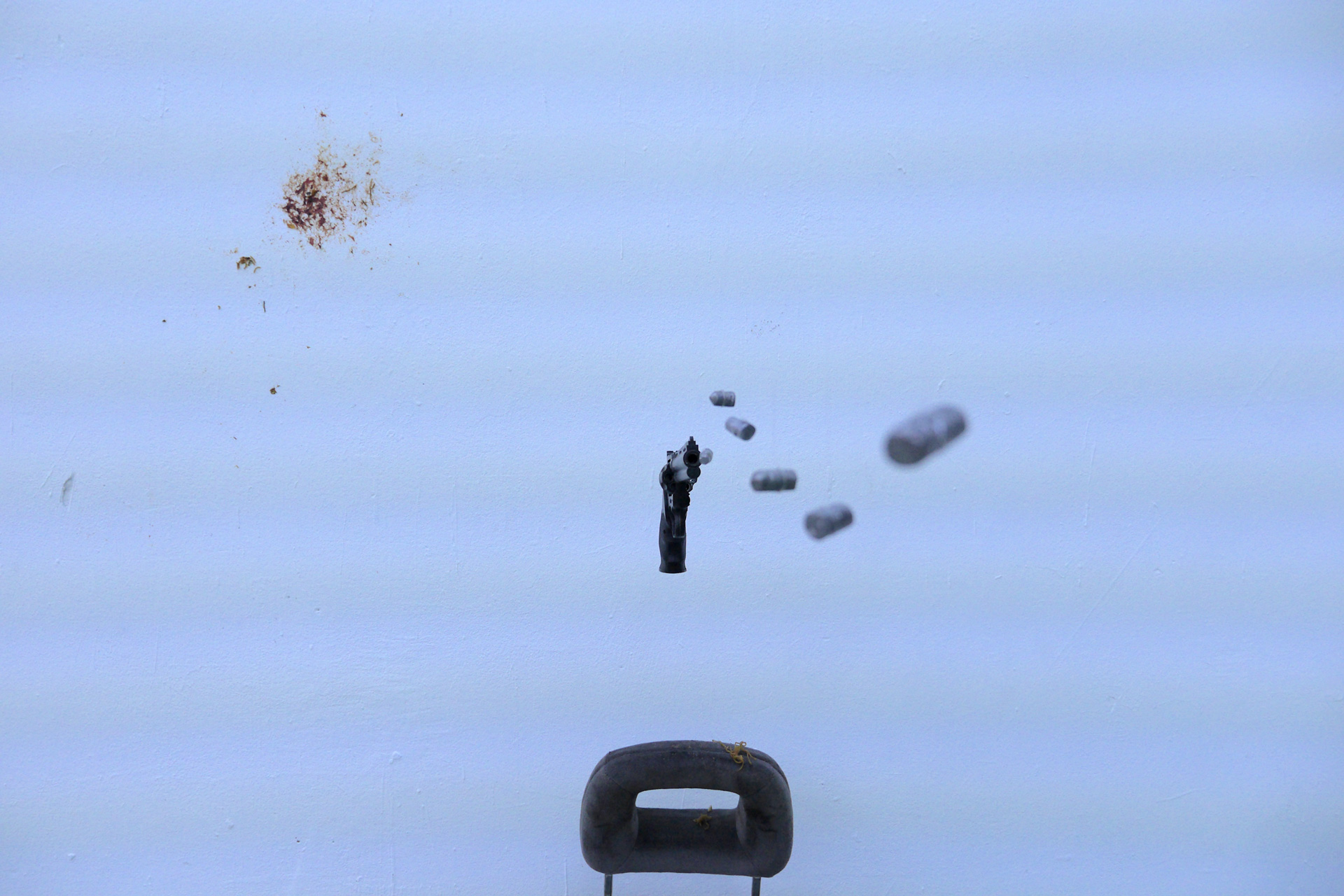
FUGU FISH
Hallucinogen
Little Giorgia’s father was murdered because of his shady deals. This dish, if not prepared properly, is fatal, full of poison, like the famous Japanese fugu fish. While adults sit at the big table of life enjoying euphoric and exciting flavours sprinkled with a large amount of risk, the little children under the table are unaware that the crumbs falling into their laps are acid-laced.
One bite too many and you’re dead. Like little puppies, they lick the corpse of the dead parent for days, the poison drastically interfering with the child’s development. The consequences are devastating: slices of hallucination in early life, followed by chronic chopped depressions later on.
A common and delicious dish, its ingredients considered highly organic by adults who represent a challenge to fate, but rarely consumed by infants. Preferably served cold. Add lies in abundance and accompany with a nice glass of sparkling mourning.
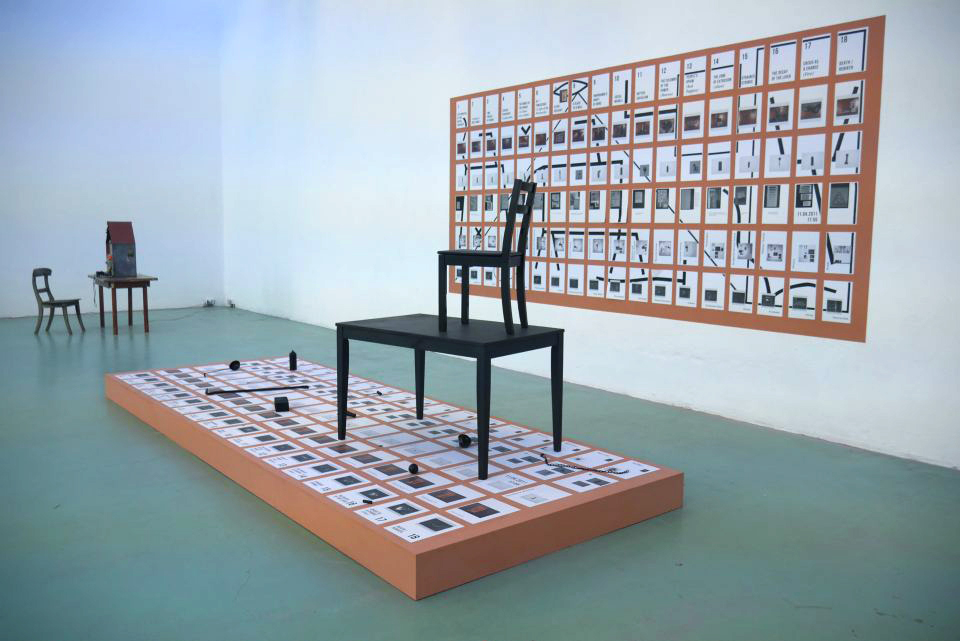
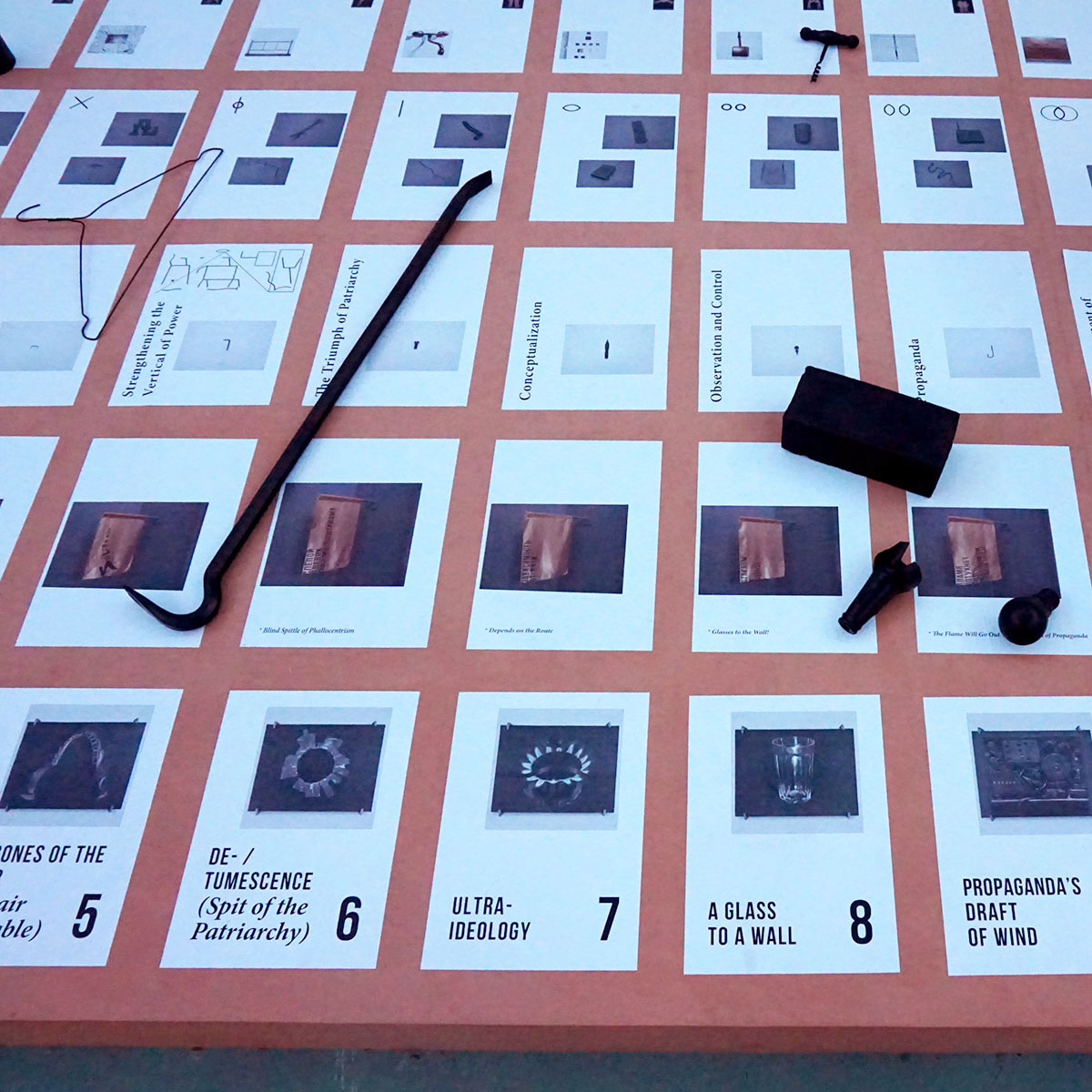
18 SELECTED PIECES OF DISSECTED TSMOK
Belarusian dragon / body of authoritarian power · Garlic
“It’s so scary when you get home and the chair is on the table (an ordinary chair on a banal table), nothing more. Thus THEY remind us of themselves...” (text from the victim’s note, 2009)
This text demonstrates how easily a dinner table can become an image of violence. It’s simple: in the owners’ absence, illegally enter their home and put a chair on the table. This is a routine recipe used by the Belarusian secret services to intimidate representatives of diplomatic services.
Other “dishes” from this feast of fear are presented on the podium. Ordinary objects combined in a complex structure demonstrate the state’s destructive influence on its citizens and the mechanisms of intimidation, suppression and subordination of civil will. Before us is the body of the aggressive Tsmok, methodically prepared in 18 parts and ready for consumption.
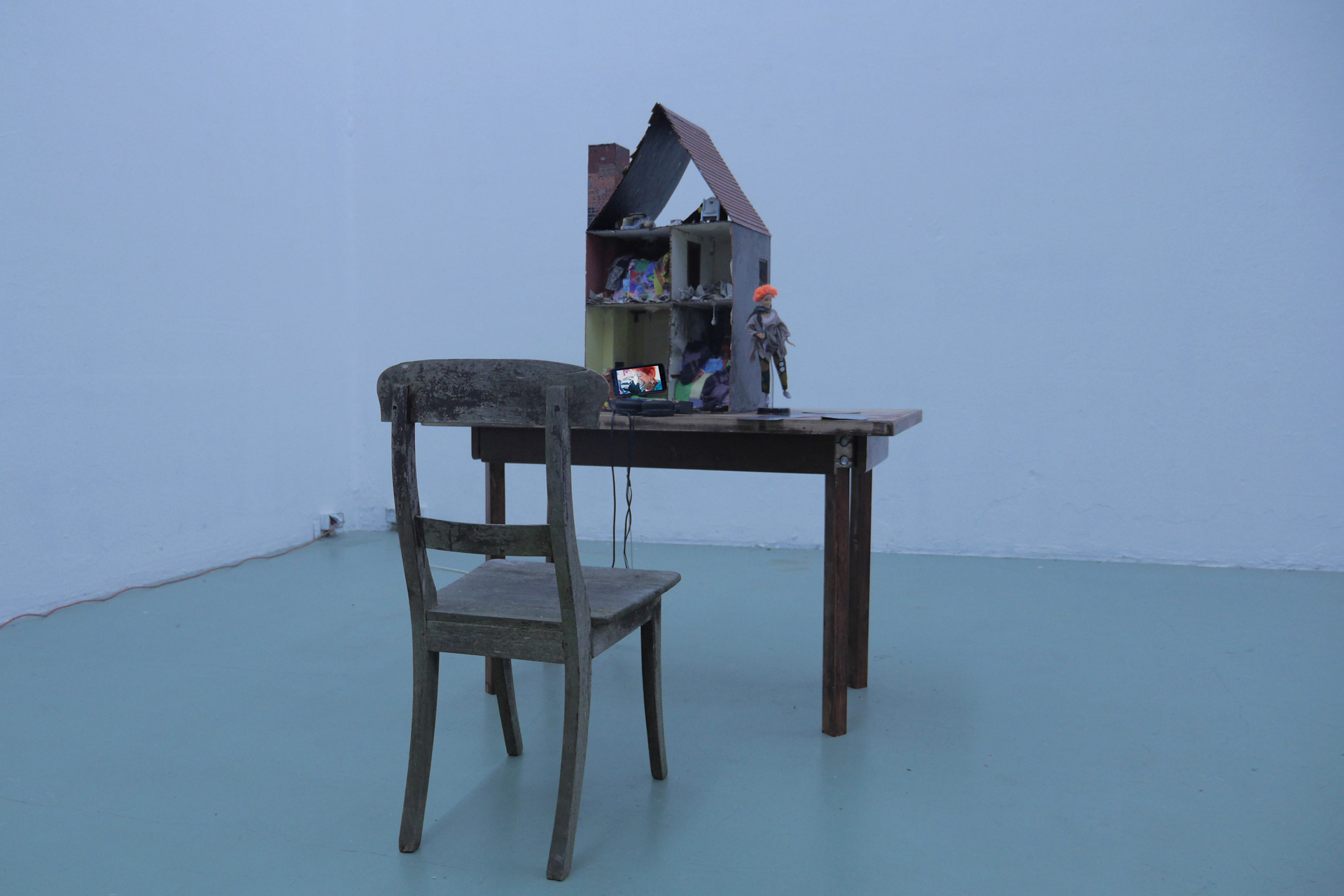
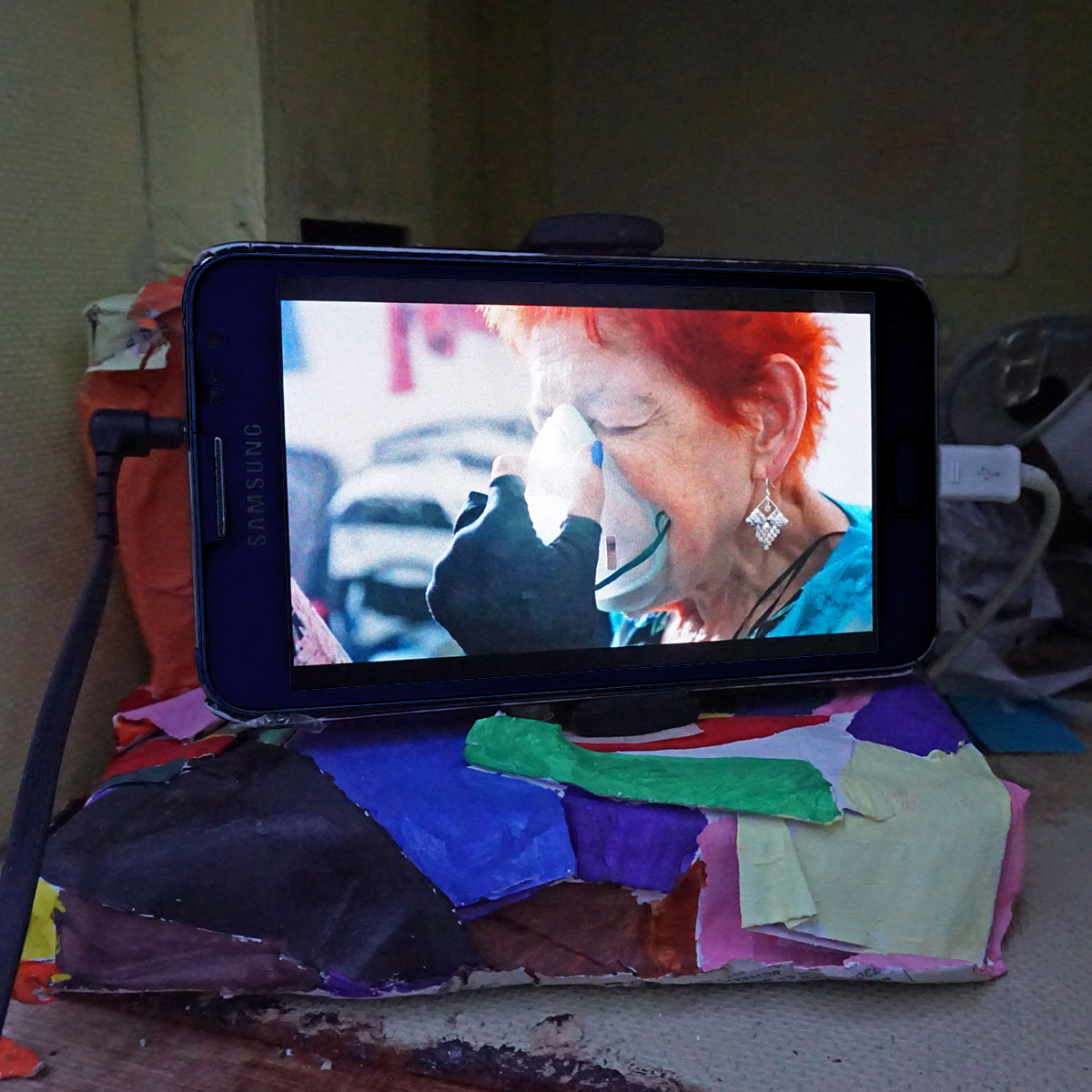
POLSKI BARSZCHWITZ
Stagnant
When Mamika was 10, daddy told her a story over a bowl of steaming-hot Polish barszcz. He spoke in a heavy voice. Mamika listened and stirred her soup. Listened and stirred. Round and round the soup went, a blood-red, hypnotising spiral…
When daddy was finished and the soup was cold and untouched, Mamika took the bowl and spoon upstairs. She didn’t want to eat it, but she couldn’t throw it out either — daddy had made it. She put it under her bed. As she lay down, she heard the spoon clink and clank: like trains arriving, like doors locking, like men digging on icy ground. It went on all night, all day, all week.
Mamika tried to hide it under boxes, newspapers, bags, clothes and old toys. She filled the corridor, the stairs, another room to the ceiling, the kitchen and the front room, yet the clink and clank grew louder.
At last Mamika stood at the front door with nowhere left to go and no rooms left to fill. Only then did she realise she was all alone. Everyone was gone. Including daddy.
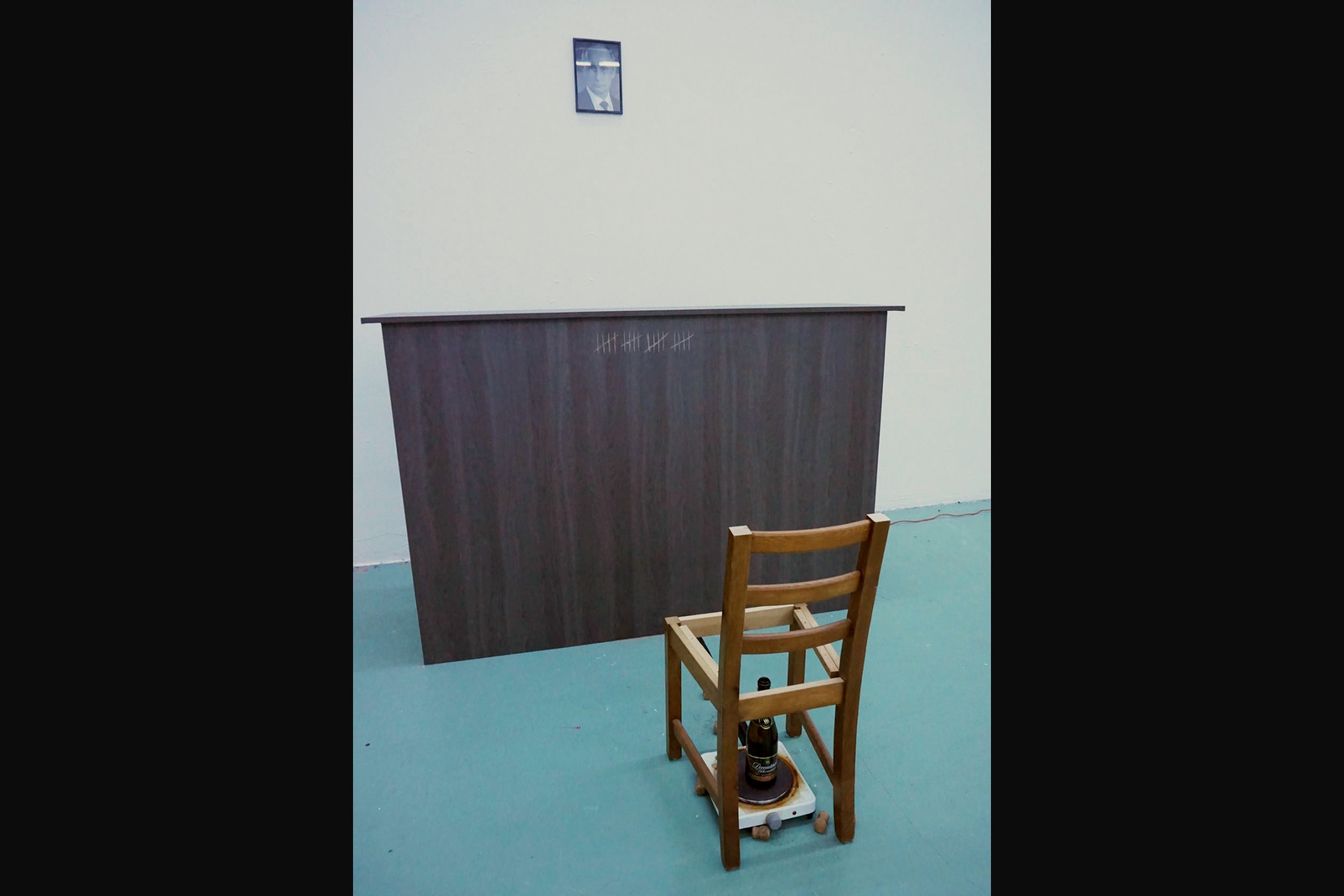
RUSSIAN CHAM-PAIN (IN THE ASS)
Bursting / Explosive
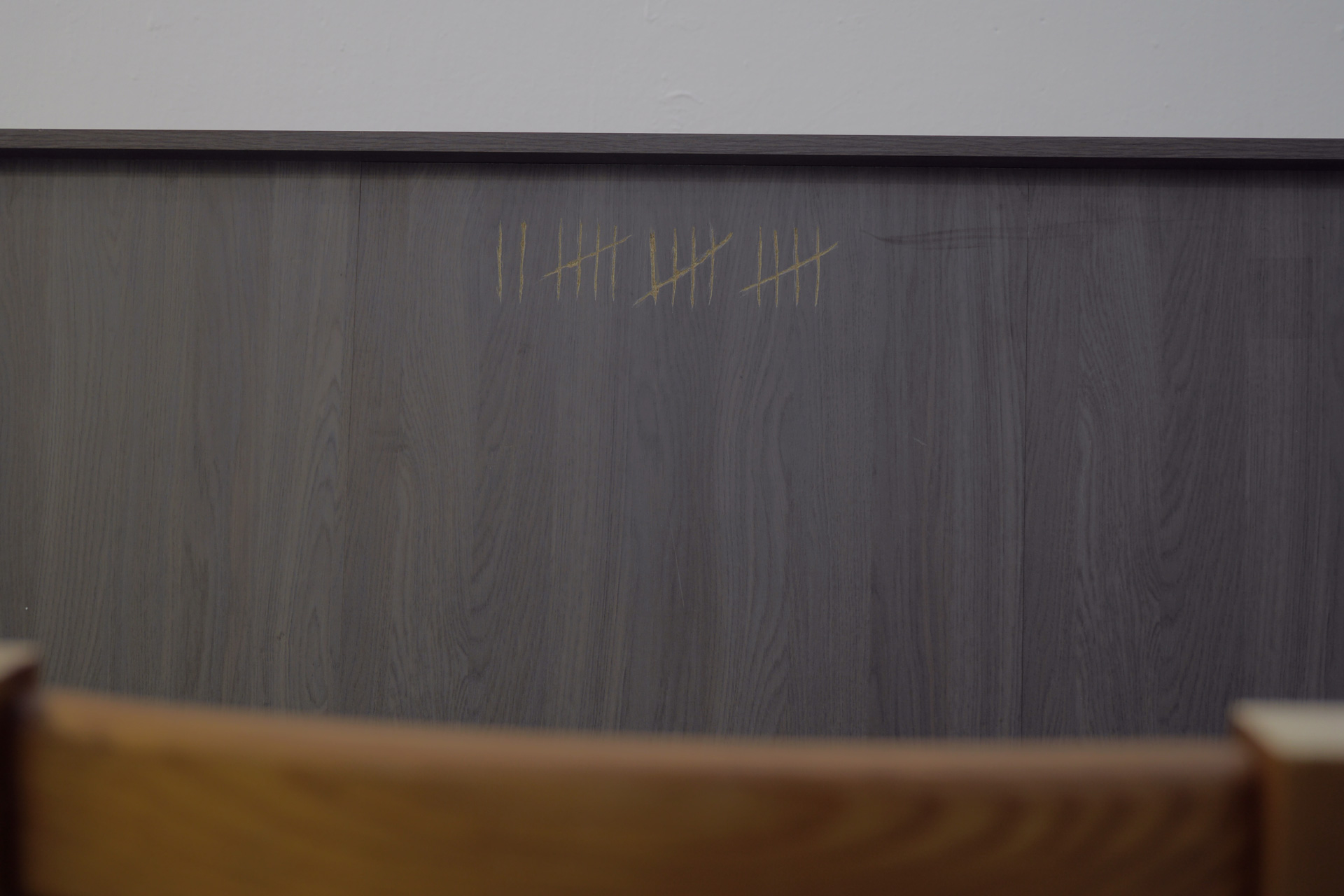
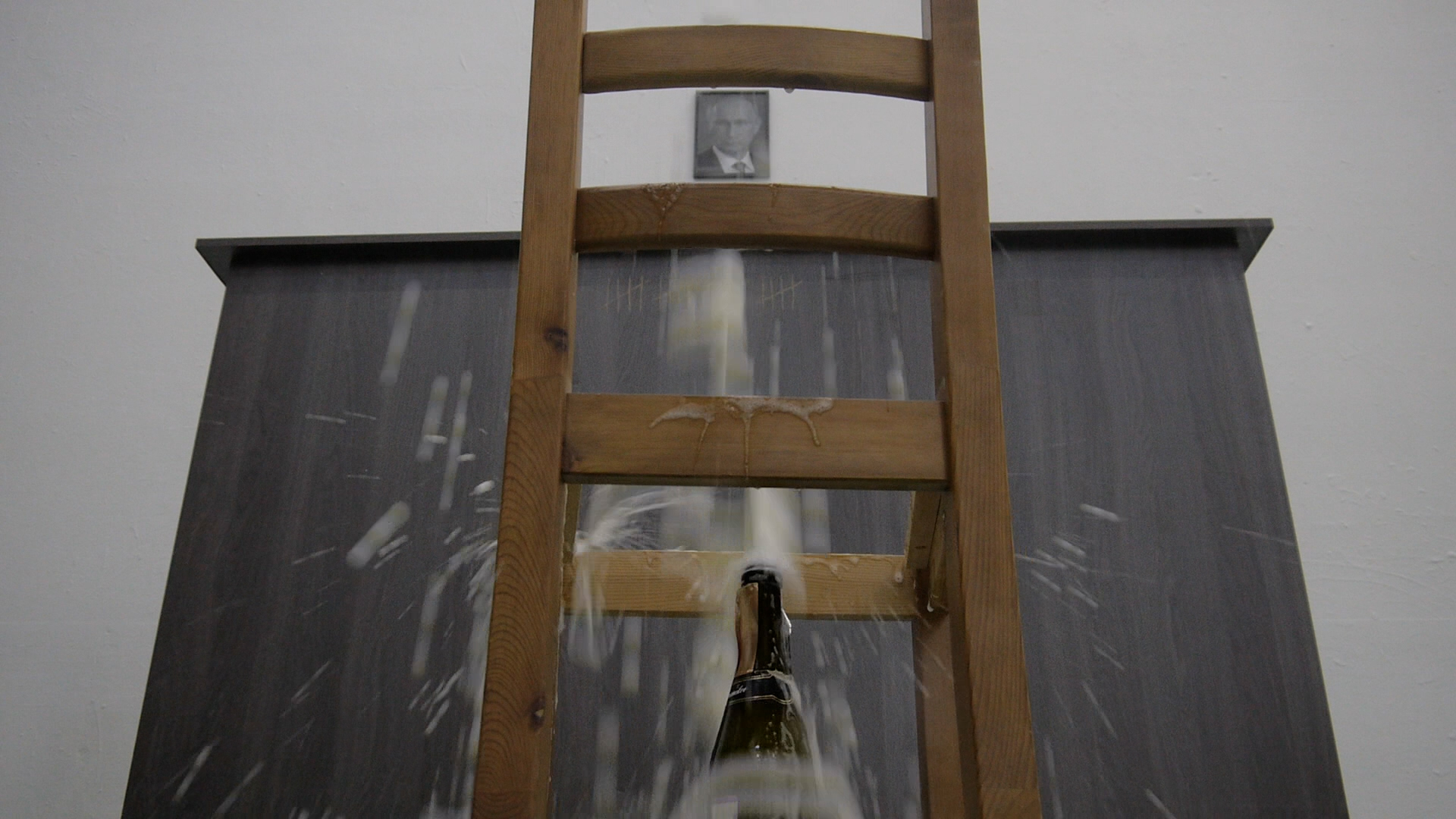
This is one of the dishes Russian cops cook for detainees, suspects, witnesses or even victims. You don’t have to be an opposition member or activist, or even commit a crime. It is enough to be detained, walk past a police station or catch a cop’s eye. Then you will be served a tempting offer: plead guilty to an unresolved crime.
On 9 March, 52-year-old Kazan resident Sergey Nazarov was taken to a police station. The next day he was hospitalised with a ruptured rectum. He managed to say that police had raped him with a champagne bottle. He underwent surgery, fell into a coma and died on 11 March. Kazan residents protested using champagne bottles instead of placards. Police claimed Nazarov “had raped himself because he wanted to be released from custody.” During the trial it became clear this was not an isolated case. The court ordered the destruction of stool legs, a baseball bat and the champagne bottle.
Police violence is systemic, used to demonstrate high case-clearance rates to superiors, who answer to their own superiors, all the way to the top. This pyramid rests on torture and the sacrifice of ordinary lives.
Working for the police, you are inevitably poisoned by impunity and omnipotence. The toxic system poisons society with fear and helplessness. It does not work and must be changed. This is a political issue.
ADJAB SANDAL
Super hot
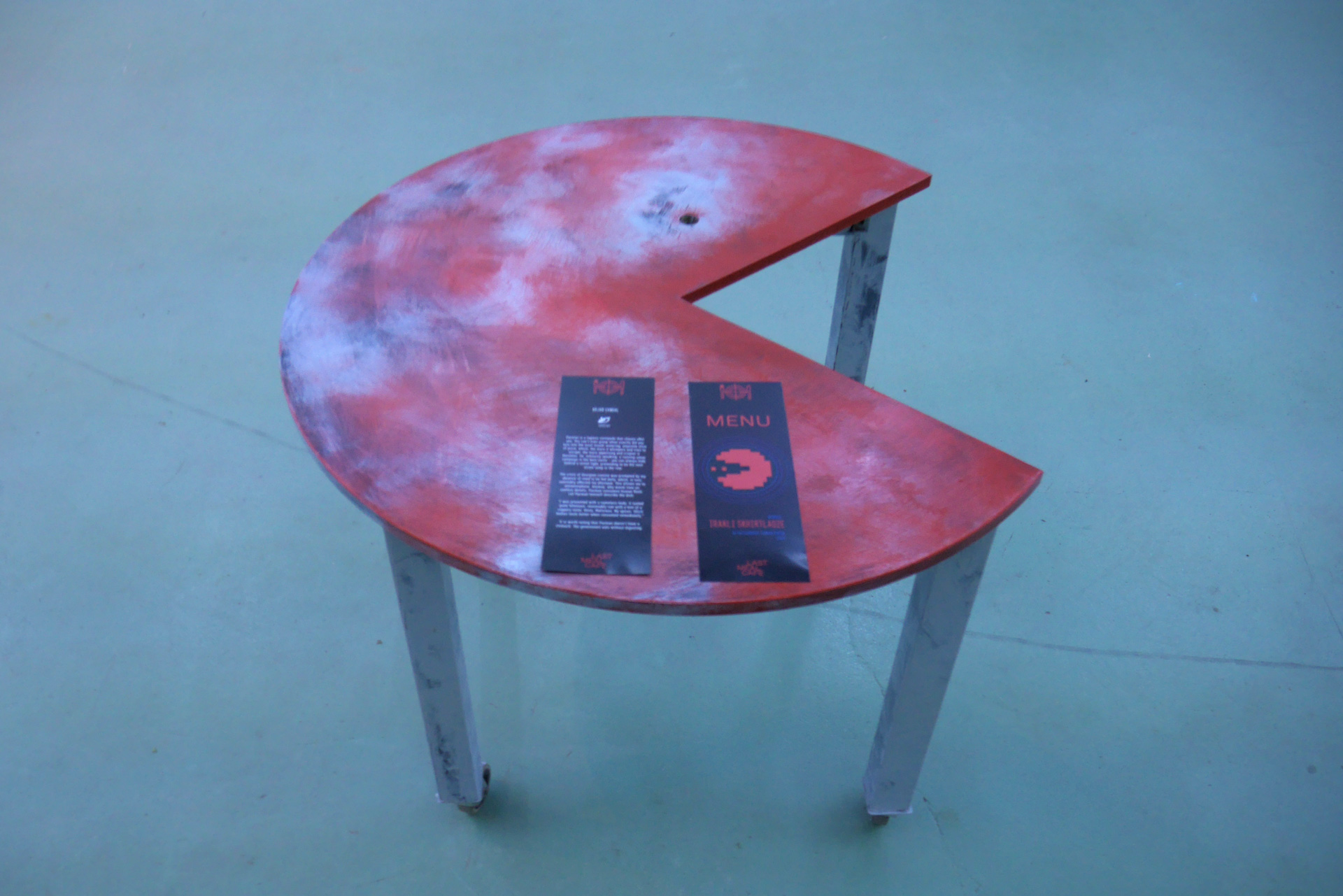
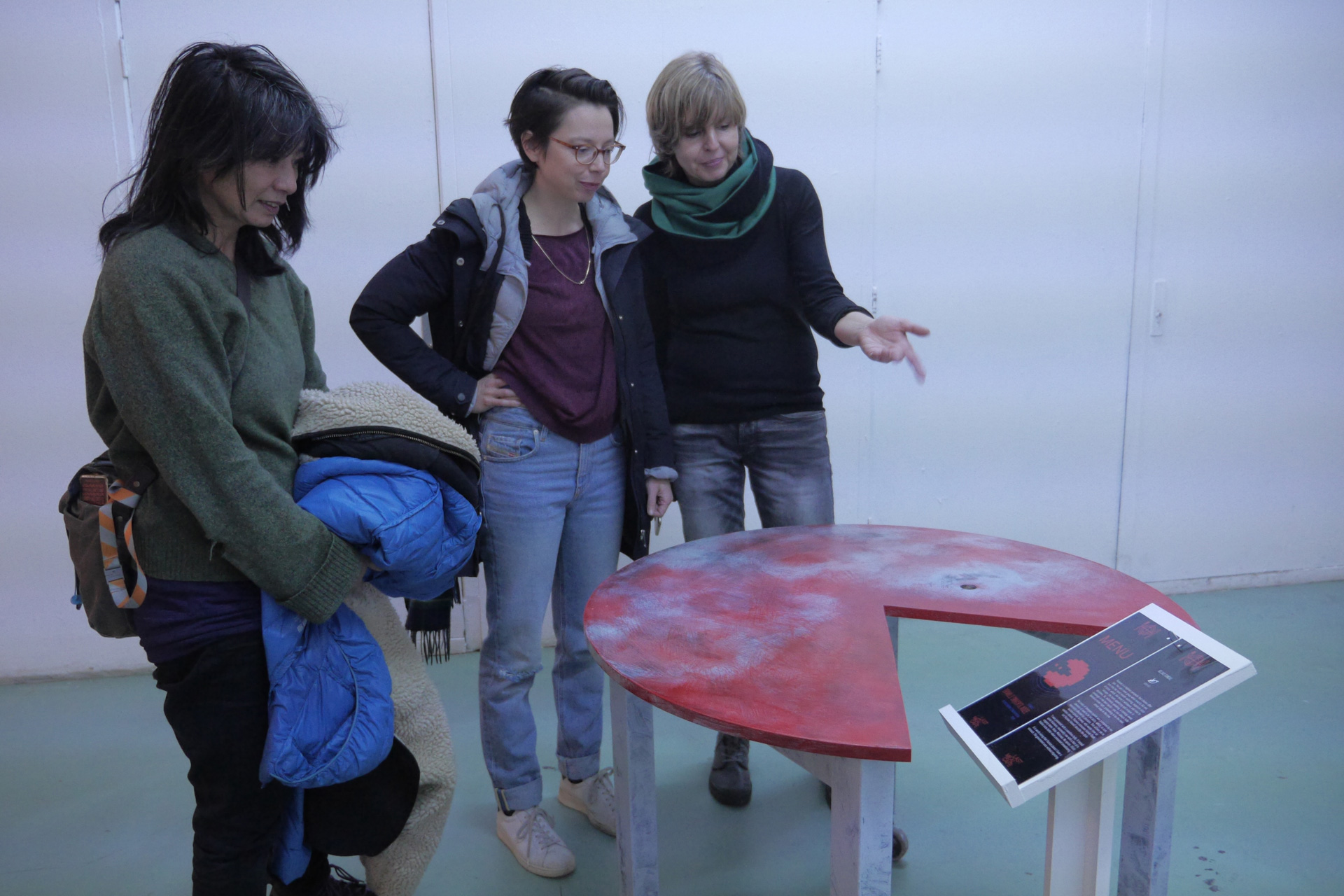
Pacman is a legless centipede that chases after you. You can’t even grasp when exactly you turned into the most mouth-watering slice of pizza, which, the more it whimpers and tries to escape, the more appetising and crispy it becomes. Militarily speaking, a running-away campaign is the best tactic — you can always hide behind a streetlight, pretending to be the next streetlamp in the row.
The crisis of Georgian cuisine was prompted by my lack of need to be fed daily, which inevitably affected my physique. This allows me to metamorphose. Why waste time on useless details? Pacman consumes human flesh. Let Pacman describe the dish:
“I was presented with a nameless body. It tasted quite felonious, reasonably raw with a hint of copper. Veiny. Malicious. No spices. Illicit bodies taste better when consumed immediately.”
It is worth noting that Pacman doesn’t have a stomach. The government eats without digesting.


VODKA “ARAKHANA” TRADITIONAL KAZAKH
40°
ARAKHANA refers to the introduction of Russian vodka to the Turkic nations of Central Asia during colonisation, Sovietisation and the current modernisation of the region. Prior to Russian colonisation, strong alcohol was not part of Turkic culture.
In ARAKHANA vodka is used as a means of manipulation. Politically, it numbs people’s discontent, despair and anger towards the authorities. Socially, it acts as a “lubricant” for violent sexual crime, as heavy drinking has become symbolic of masculine prowess and dominance. One of the artists also has direct experience of the difficulties alcoholism brings to a family.
ARAKHANA is a place where the toxic effects of “vodka politics” can be seen and partly experienced. Mark Lawrence Schrad’s book Vodka Politics is served as a snack with our Kazakh arak-based cocktails.

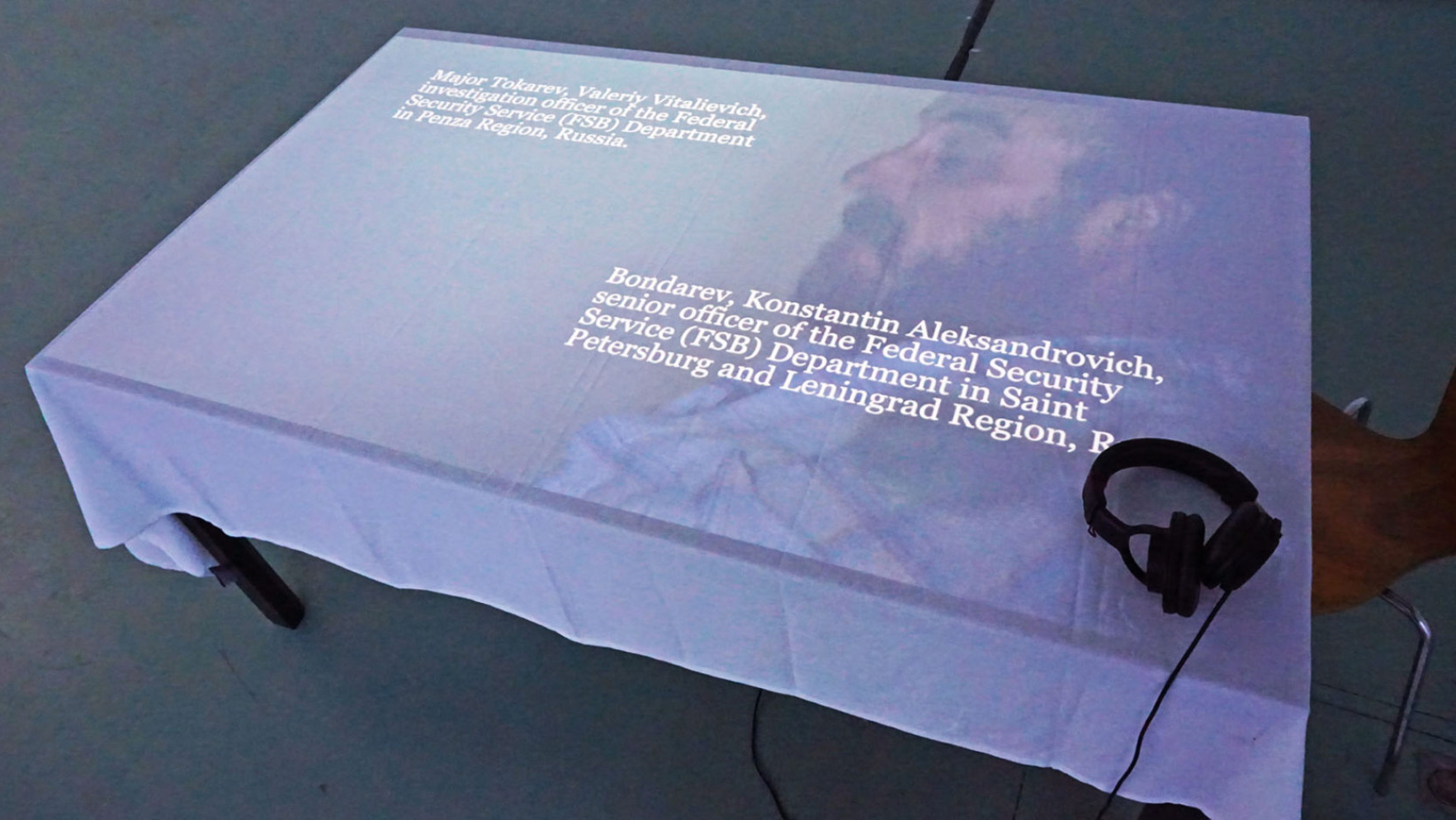
CHICKEN IN ALE
Bitter
A feast wouldn’t be a feast without a tale of torture in dungeons. What sumptuous repast would be complete without the retelling of bygone eras steeped in barbarism? No, this is no tale of times gone by — this is happening in our day and age. For all we know, it could be happening next door, where a dish of torture is being served, cooked by a chef devoid of any true culinary skill.
Torture is always unexpected; it’s something that just doesn’t go on. And if it does, it definitely couldn’t happen to you, right?
“You know, you’ll get the full works together with them. Right now your buddies are ratting you out in the next room. And you’re protecting them here, or at least trying to. If you don’t want a beating, right here, right now, you’ll answer our questions.”
In St Petersburg, so-called police officers arrested several twenty-year-olds and forced them to sign confessions stating that they were terrorists and part of the “Network” community.
This is a complex dish full of medieval bitterness.
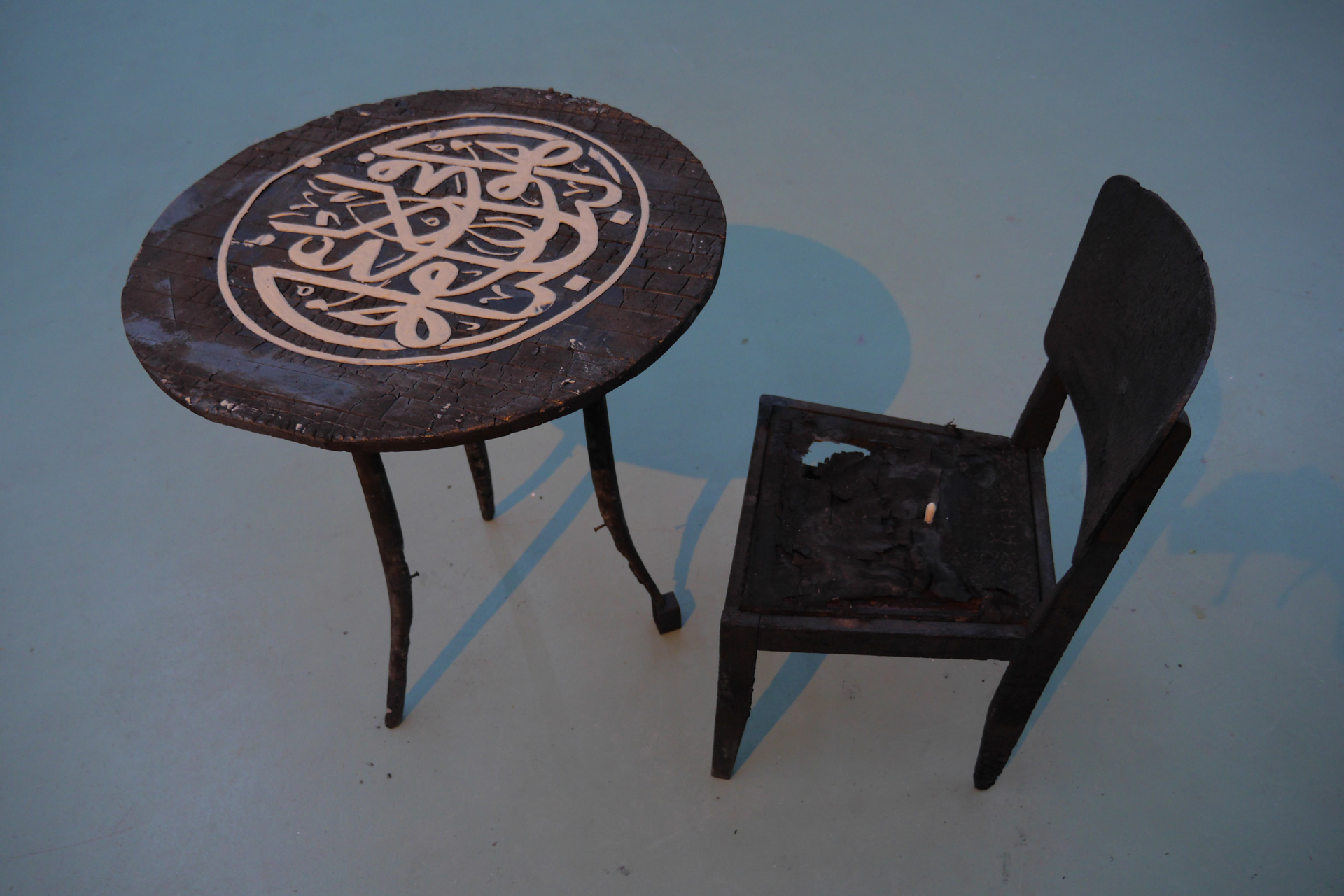
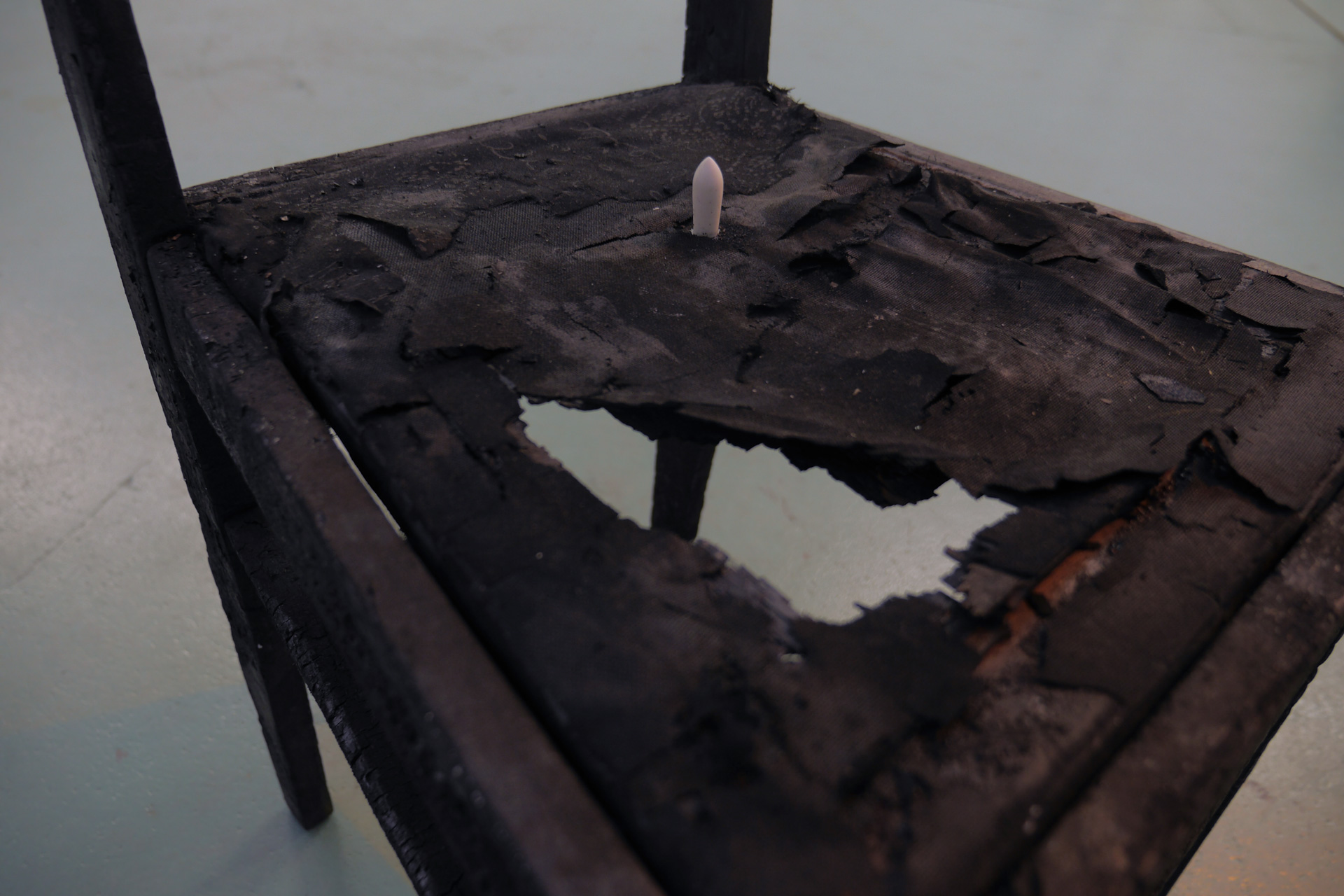
DEUS EX MACHINA · POTASSIUM SUPPOSITORY
Discomfort
“Try bromide of potassium,” said John. “It’s very soothing in twenty-grain doses.” — Arthur Conan Doyle
“Dear Master [...] What to tell you about myself? I am not stiff, I have... I don’t know what. Bromide of potassium has calmed me and given me eczema on the middle of my forehead [...] Abnormal things are going on inside me. My psychic depression must relate to some hidden cause. I feel old, used up, disgusted with everything, and others bore me as I do myself.” — Gustave Flaubert
“The day came when Ali-Akbar Sa’idi Sirjani fancied tahini. For an hour or two I searched all over southern Tehran to satisfy the maestro’s will. Tahini caused him severe constipation. One night we took him to another safe house. Sa’idi was suffering from flatulence, whimpering. A Brother gave me a suppository. ‘Deus ex machina,’ he said. Sa’idi went to the lavatory to take it. When he returned his face was blackened and sweaty. A few moments later we heard a sudden cry. Sa’idi was jumping up and down. Some applauded and laughed, some sang a song accompanying Sa’idi’s jig. Potassium suppository did it. Brother Hashemi took a photo of us with his lifeless body.” — Sa’id Emami [?], Iranian intelligence agent