Teaching

Teaching and collective learning are an integral part of our artistic practice. We teach the theory and practice of documentary filmmaking, editing, video art and participatory forms of the moving image through university courses, workshops and collective projects.

Our teaching examines cinema as both an artistic language and a system of representation: who looks, who is represented, how a point of view is constructed and which experiences remain off screen. Practice extends these questions through creation, involving filming, editing, animation, archives, observation and working with places and people.

We have worked with students, children and teenagers, artists, young people in detention and audiences from very different social and cultural backgrounds. Rather than teaching a single way of making films, we aim to share tools that enable everyone to develop their own gaze and find the form that each story demands.

Courses

The Camera and the Gaze

A course devoted to the relationships between cinema, representation and power. Through the analysis of cinematic forms and their historical, political and institutional contexts, we examine how the gaze is constructed: who films, who is watched, who speaks and who remains invisible? The course also explores how cinema can make space for experiences and perspectives that have long been marginalized.

Thinking Cinema Through Editing

Editing is approached not as a final, technical stage, but as a way of thinking about cinema from the moment an idea emerges. From Kuleshov, Eisenstein and Pelechian to contemporary practices, the course explores how editing constructs a film’s time, gaze and meaning — and how it can radically transform its perspective, even during post-production.

Site-Specific Cinema: Architecture and Territory

How can a place become the starting point for a film? Beginning with buildings, streets, monuments, landscapes and sites of memory, the course invites students to observe a territory, investigate its visible and invisible histories, and invent cinematic forms on the boundary between documentary and fiction. It explores, in particular, the magical realism and poetry hidden in everyday spaces.

The Camera and the Gaze – Sorbonne Nouvelle

During the 2025–2026 academic year, Taisiya Krugovykh led one of five filmmaking labs at Sorbonne Nouvelle as part of Objectif Censier, the university’s annual film festival. Her workshop, “The Limits of the Visible”, brought together 25 students.

The course, The Camera and the Gaze, explored cinema as both an artistic language and a system of representation. Students examined how power, production structures, and established conventions shape who and what becomes visible on screen — and how filmmaking can give form to experiences that have been marginalized or overlooked.

The students developed films around subjects rarely represented from within, including the Sri Lankan Civil War, pornography addiction, people in comas, elections in France, and obsessive-compulsive disorder.

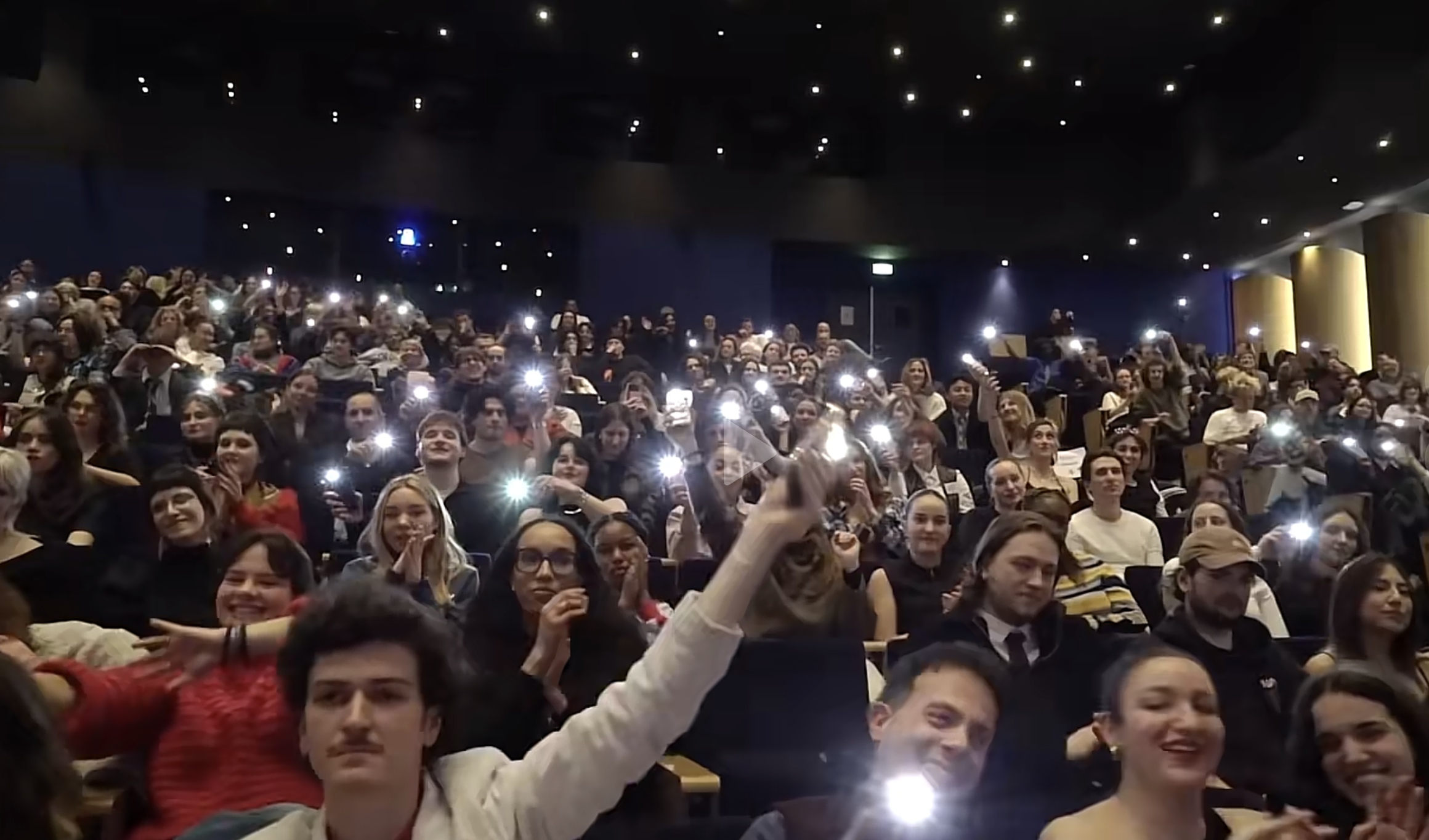
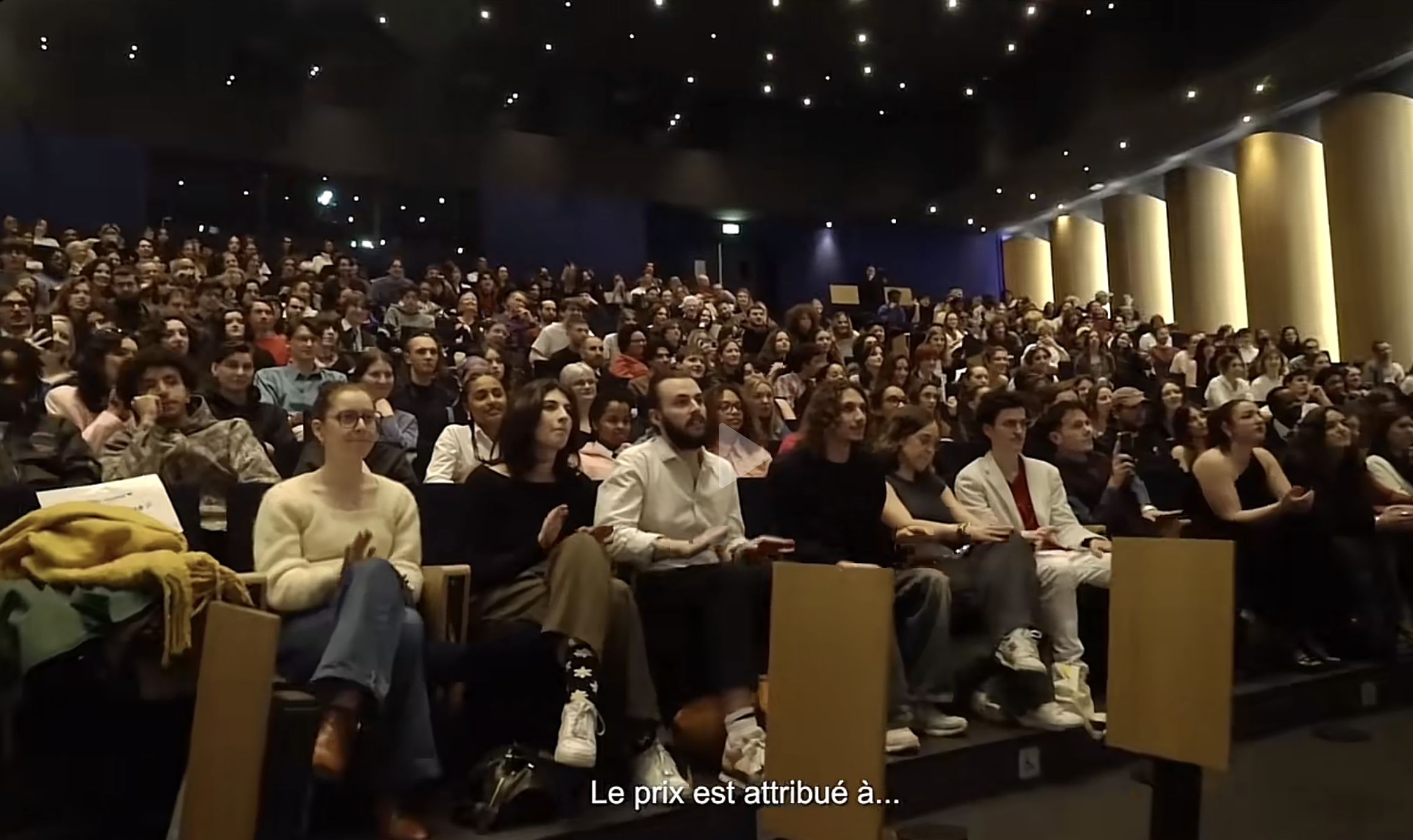
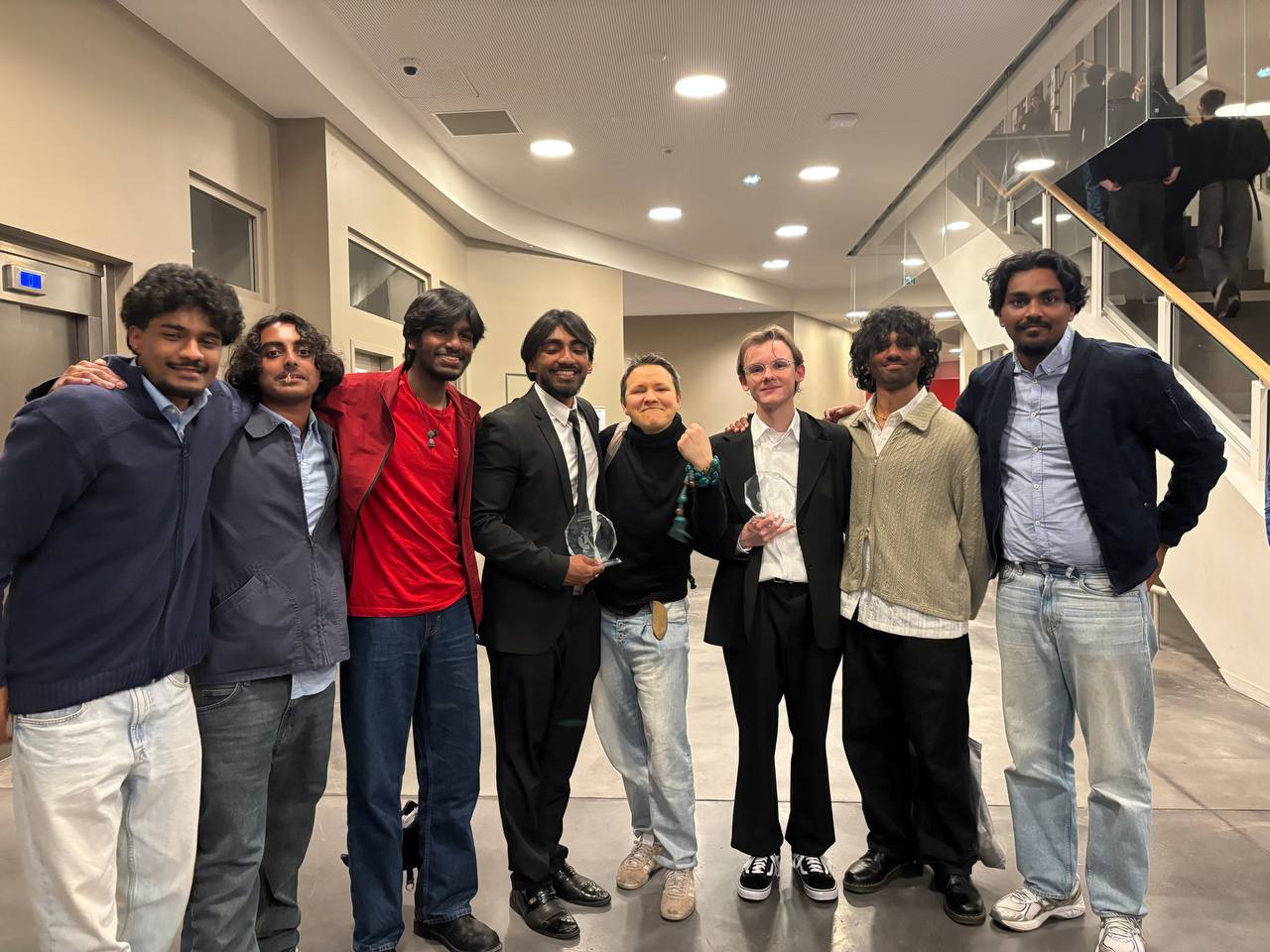
The course concluded with the Objectif Censier festival, featuring 25 films made by students from the five labs. Of the eight awards presented at the festival, six went to films made by participants in Taisiya’s workshop.