Handicap invisible
Video installation
· 2017
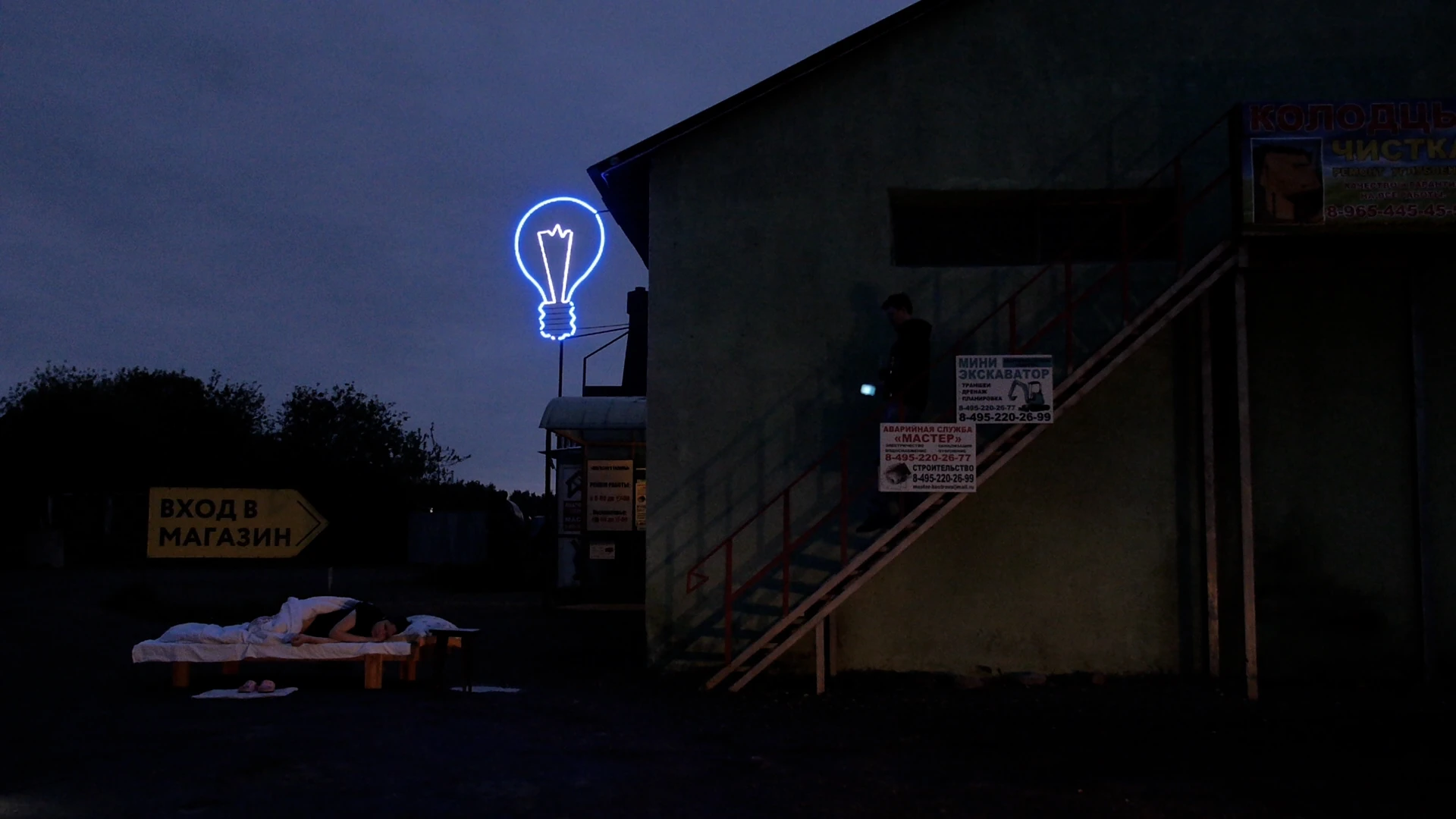
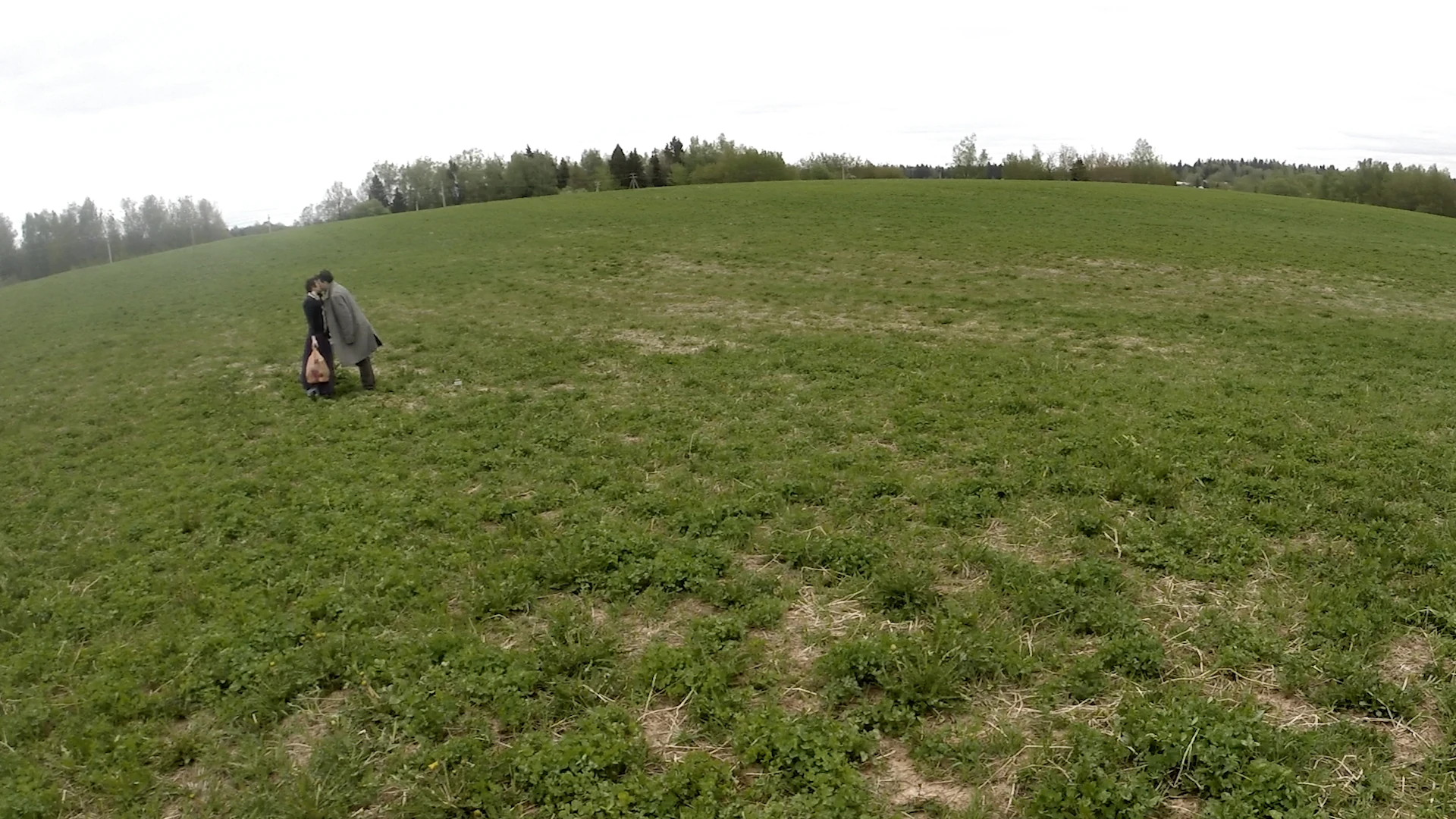
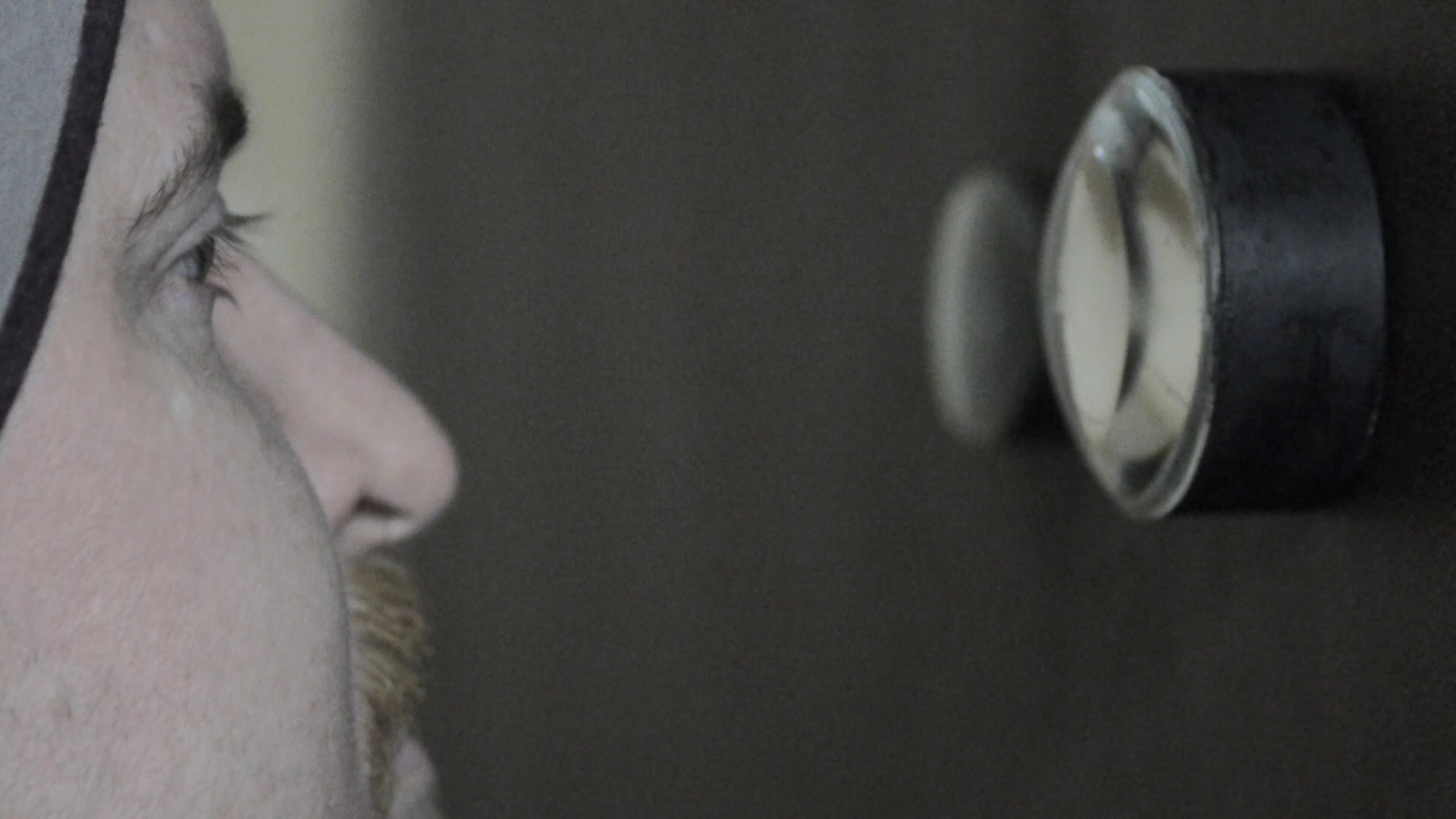
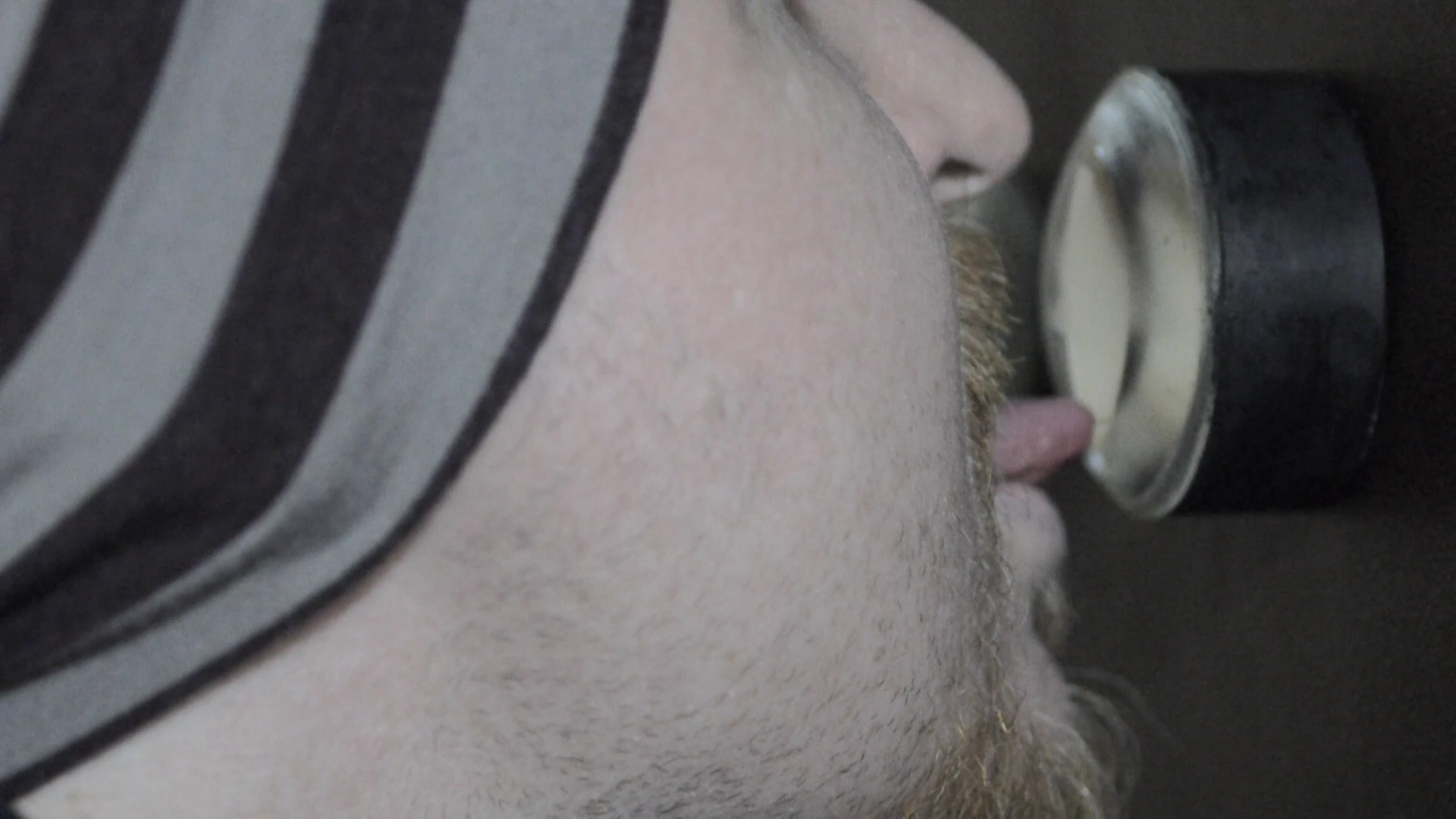
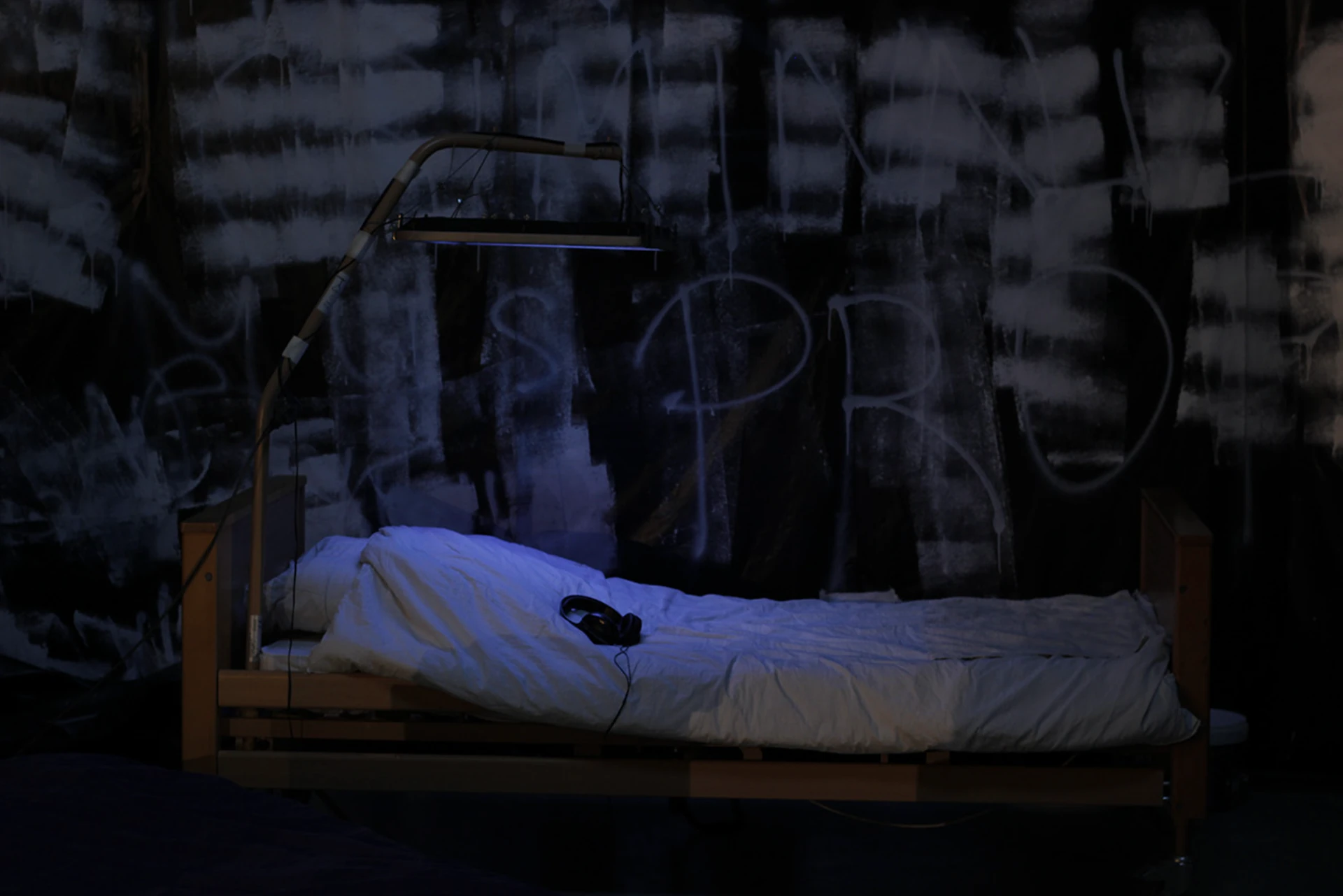
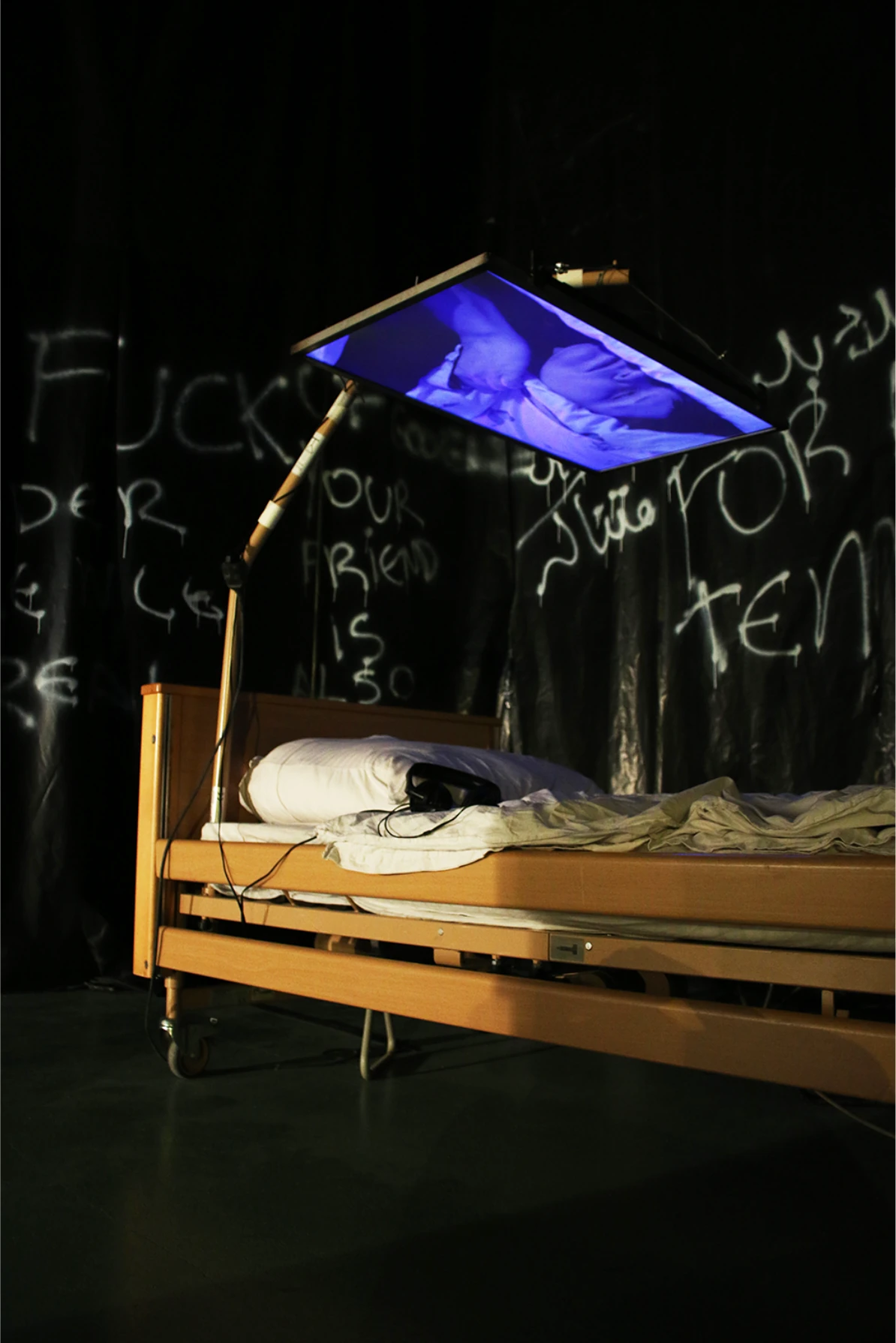
Video installation, 2017
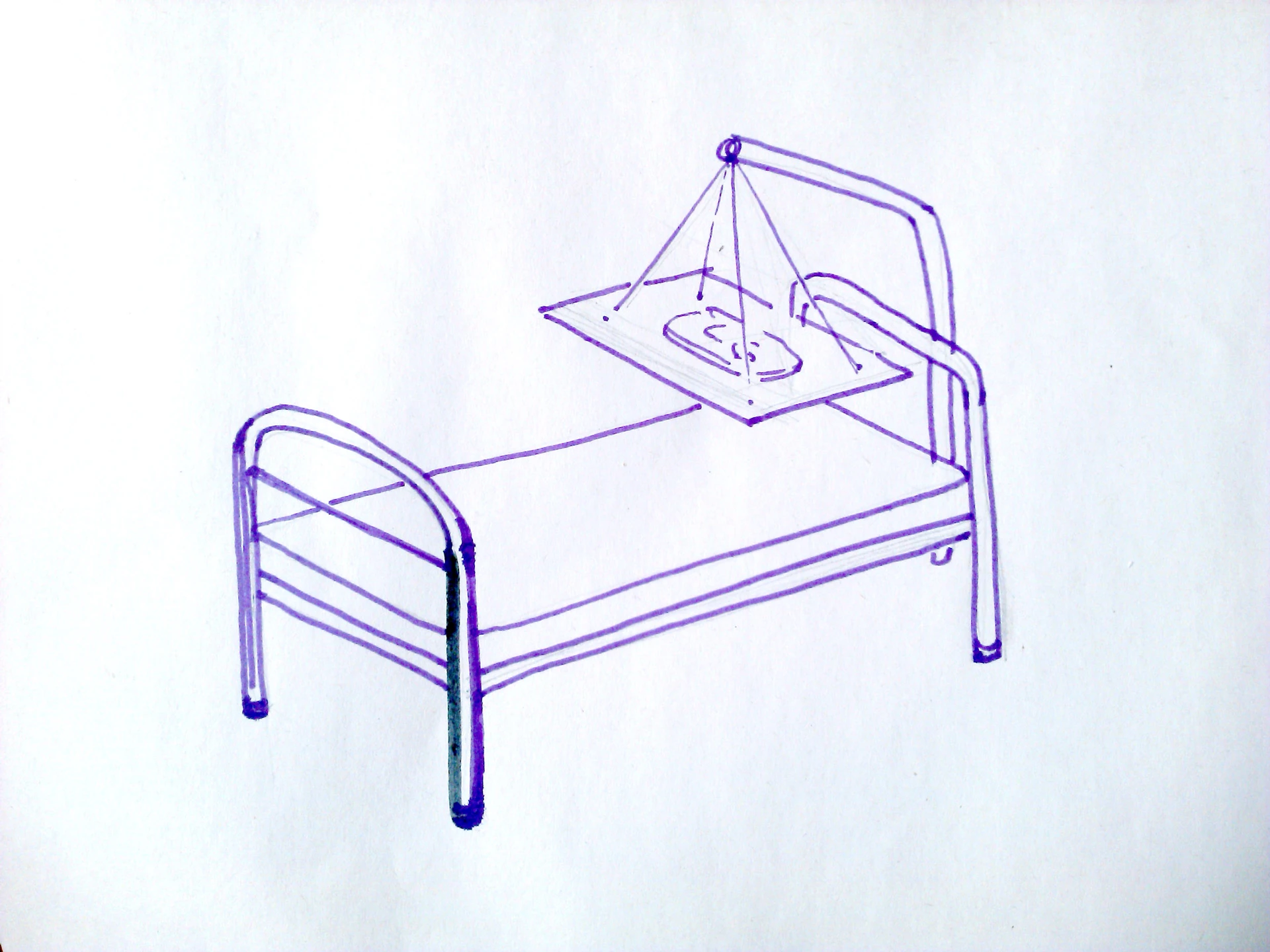
The installation consists of three videos screened in sequence on a plasma screen suspended horizontally above a hospital bed. To watch them, the viewer is invited to lie down on the bed, facing the screen, in a position reminiscent of a hospital patient.
Text accompanying the work
When we talk about systems, the one that frames my existence, determines my possibilities and organises my life is, first and foremost, my health. Broadening this perspective, we can speak of the public healthcare system, which seeks to describe, classify and manage my health problems by naming them a disability.
Yet I live with chronic illnesses that are invisible to others. My disability does not require me to use a wheelchair, nor does it involve physical characteristics that society is accustomed to recognising as signs of disability. Outwardly, I may appear perfectly healthy, and it is precisely this appearance that creates an additional system of constraints. I constantly have to justify myself when I go ahead of others in a queue or take a seat on a bus.
And although the healthcare system grants me certain rights — which I still have to fight to exercise! — the way others look at me makes me feel guilty when I try to use them. I am a disabled person who is asked not to look like a non-disabled person.
The invisibility of my disability determines how I move through space, interact with strangers, the moments when I dare to ask for help, and the situations in which I prefer to forgo my rights rather than have to explain why I need them.
In this sense, I am constantly confronted with the need to make visible what, by its very nature, remains invisible.
And perhaps this is where the essential question arises: why is society only willing to recognise vulnerability when it can see it?
Exhibition context
This work was created for Ideology Meets Implementation, a group exhibition initiated by the artist Pendar Nabipour and presented at the W139 art space in Amsterdam from October 13 to November 9, 2017.
Bringing together international artists and activists, the exhibition explored how political ideologies translate into systems of power, control and social organisation, and how these systems shape everyday life. Through installations, performances, video screenings, debates and collective activities, it provided a space for critical reflection on discrimination, repression, decolonisation and political resistance.